1. Introduction to Diwali
Diwali, also called Deepavali, is one of the biggest and most joyful festivals celebrated in India. It is known as the Festival of Lights because people light hundreds of small oil lamps, called diyas, to brighten their homes and surroundings. The word Deepavali comes from Sanskrit, which means “a row of lamps.” These lamps are not just decorations, they are symbols of goodness, hope, and new beginnings.
Every year, Diwali is celebrated with great excitement by people of all ages. Streets, markets, and homes glow with colorful lights, candles, and decorations. Families come together, cook delicious sweets, exchange gifts, and enjoy fireworks. The entire atmosphere becomes full of warmth, laughter, and positivity.
1.1. The Deeper Meaning of Diwali
Diwali is not just about lighting diyas or bursting crackers. It is a festival that teaches us to remove the darkness of negativity and fill our lives with light and goodness. It reminds us that no matter how difficult life becomes, light will always win over darkness and good will always win over evil.
People believe that lighting lamps brings happiness, peace, and prosperity to their homes. It is also a time to thank God for all the blessings and to pray for a bright future.
1.2. Why People Love Diwali So Much
There are many reasons why Diwali is so close to everyone’s heart.
- It brings families and friends together after a long year of work and stress.
- It gives people a reason to clean and decorate their homes beautifully.
- Children look forward to new clothes, sweets, and fun.
- Businesses start new accounts and pray for success in the coming year.
Every Indian, no matter where they live, feels a deep connection to this festival. The preparations, the smell of sweets in the kitchen, and the sparkle of diyas all create memories that stay forever.
1.3. Memories that Make Diwali Special
Everyone has their own Diwali story. For many, it begins with cleaning the house, shopping for new clothes, and helping elders decorate with rangolis and flowers.
I still remember how my whole family used to gather a few days before Diwali. My father and I would hang strings of lights on our balcony, while my mother made fresh sweets and snacks in the kitchen. My grandmother taught me how to roll perfect laddoos, and I would secretly eat one or two before they were ready to serve.
In the evening, when the diyas were lit and the sky shone with fireworks, the entire neighborhood looked magical. It felt as if every corner of the world was glowing with happiness and peace.
1.4. The Spirit of Diwali
Diwali teaches us to share what we have, help others, and spread happiness. It is a time to forget old fights, forgive mistakes, and make a fresh start with love and kindness. The lights of Diwali are not only outside our homes but also inside our hearts, they remind us to stay positive and thankful.
Whether it is a small village or a big city, the joy of Diwali connects everyone. From lighting diyas to enjoying sweets, from decorating homes to offering prayers, every tradition adds meaning to this beautiful festival.
2. History and Significance of Diwali
Diwali is not just a festival of lights; it is a celebration deeply rooted in history and tradition. The meaning and stories behind Diwali come from different parts of India, and each one gives a beautiful message of faith, victory, and hope.
2.1. The Story of Lord Rama and His Return to Ayodhya
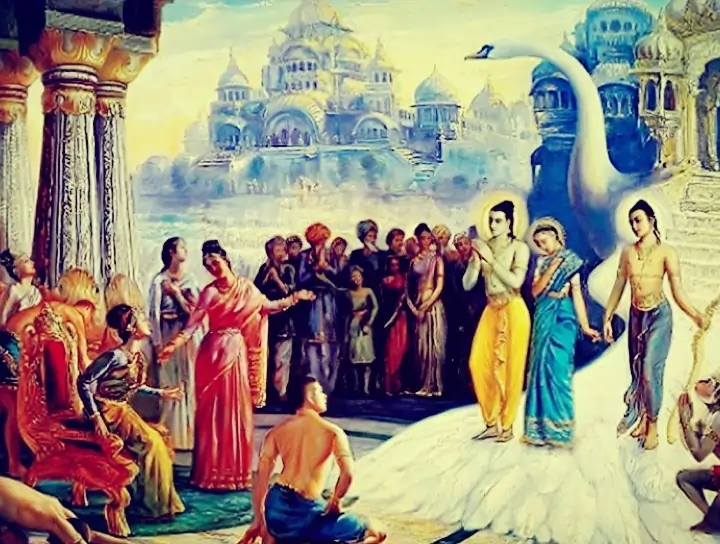
The most well-known story of Diwali comes from the Ramayana. It says that Lord Rama, along with his wife Sita and brother Lakshmana, returned to his kingdom Ayodhya after spending 14 years in exile. During this time, he fought and defeated the demon king Ravana, who had kidnapped Sita.
When Lord Rama finally returned home, the people of Ayodhya were filled with joy. They lit oil lamps all around the city to welcome him back and celebrate the victory of good over evil. Since then, lighting diyas has become an important part of Diwali celebrations. It reminds everyone that truth, goodness, and courage always win in the end.
2.2. The Blessings of Goddess Lakshmi
Another important part of Diwali is the worship of Goddess Lakshmi, the goddess of wealth, fortune, and prosperity. People believe that she visits clean and well-lit homes on Diwali night and blesses the families with happiness and success.
That is why, before Diwali, families clean every corner of their homes, decorate them with lights and flowers, and perform Lakshmi Puja. The sound of bells, prayers, and mantras fills the air as people seek blessings for peace and prosperity in the coming year.
2.3. Other Stories Connected to Diwali
Diwali is celebrated in different ways across India, and every region has its own story and meaning.
Here are a few of them:
- In Gujarat: Diwali marks the beginning of the new business year. Traders open new account books, pray to Goddess Lakshmi, and start their financial year with hope and positivity.
- In South India: The festival is linked to Lord Krishna’s victory over the demon Narakasura, who caused great suffering. The defeat of the demon represents the removal of evil and ignorance.
- In Eastern India: People worship Goddess Kali on this day. Kali Puja is performed to seek strength and protection from evil. The night sky glows with diyas and candles, showing devotion and faith.
- In some parts of North India: Diwali is also connected with King Bali. It is said that Lord Vishnu sent him to rule the underworld, and people light lamps to honor his kindness and generosity.
2.4.The Message Behind Diwali
Diwali carries a deep spiritual message. It teaches us that just like light removes darkness, knowledge removes ignorance, and goodness removes negativity. Lighting a diya is not only about brightening our homes but also about lighting our hearts with peace and kindness.
The festival also encourages people to start fresh, to forgive others, forget old mistakes, and welcome new beginnings with faith and hope.
2.5. Diwali Beyond Religion
Although Diwali has roots in Hindu mythology, it is also celebrated by Jains and Sikhs in different ways:
- For Jains, Diwali marks the day Lord Mahavira, the 24th Tirthankara, attained nirvana or spiritual freedom.
- For Sikhs, it celebrates the release of Guru Hargobind Ji and 52 kings from prison, known as Bandi Chhor Divas.
This shows that Diwali is not limited to one religion or one story. It is a universal celebration of freedom, light, and truth.
2.6. A Celebration of Light Over Darkness
Every diya that shines on Diwali night is a reminder of the power of goodness. Whether it is the story of Lord Rama, Lord Krishna, or Goddess Lakshmi, the message remains the same, when we choose kindness and truth, darkness disappears.
That is what makes Diwali so special. It connects people not just through tradition but through shared values of hope, positivity, and peace.
3. Cultural Importance of Diwali
Diwali is more than just a festival, it is a reflection of India’s culture, traditions, and values. Every diya, sweet, and smile during Diwali carries meaning. It teaches us to live with kindness, share what we have, and welcome light into our lives and hearts.
3.1. The Symbolism of Light
The main symbol of Diwali is light. Lighting diyas and candles shows the victory of light over darkness. But this light is not only outside our homes, it also represents the light within us. It means choosing truth over lies, hope over fear, and love over hate.
When we light diyas, we promise ourselves to remove negative thoughts and bring positive energy into our lives. The brightness of thousands of lamps reminds us that even one small light can remove a lot of darkness.
3.2. A Time for Renewal and Positivity
Diwali comes at the end of the harvest season, marking the start of a new year for many communities. It is seen as a time for fresh beginnings. That is why people clean their homes, buy new clothes, and start new ventures during this period.
It is believed that by clearing dust and clutter, we also remove negative energy from our surroundings. This tradition teaches us that cleanliness, order, and positivity bring peace and prosperity.
During Diwali, people also forgive old grudges and strengthen their relationships. It becomes a time to say sorry, express gratitude, and bring harmony to families and communities.
3.3. Togetherness and Sharing
One of the most beautiful parts of Diwali is the sense of togetherness it brings. Families gather for puja, friends exchange sweets, and neighbors visit each other with gifts and smiles. Even people who live far away try to come home during this time to celebrate with loved ones.
Here are some ways Diwali spreads togetherness:
- Families cook traditional meals and enjoy them together.
- Children help elders decorate the house with rangoli and diyas.
- Communities organize fairs, light shows, and cultural programs.
- Gifts and sweets are shared to express love and care.
This unity is what gives Diwali its heart. No matter where you are in India, you will feel the same happiness in every home and every smile.
3.4. Respect for Traditions
Diwali also helps keep India’s rich traditions alive. From the way diyas are made to how prayers are offered, every ritual carries history and meaning. It connects generations, grandparents teach the stories and customs, while children learn and carry them forward.
Even in modern times, people try to keep old traditions alive while adding new ways to celebrate. For example, many families now prefer eco-friendly decorations or online gift exchanges, but they still keep the spirit of puja, lights, and togetherness strong.
3.5. The Festival That Unites All
India is a land of many languages, religions, and customs. Yet, Diwali is celebrated everywhere, from villages to cities, from north to south, and from east to west. It shows how one festival can unite millions of people through a shared message of joy and goodness.
Whether you light diyas in a small courtyard or decorate your apartment balcony with fairy lights, the feeling is the same, Diwali brings hope, love, and unity.
4. Diwali Preparations
The excitement for Diwali begins many weeks before the actual festival. It is not just one day of celebration, it is a beautiful process of getting ready to welcome light, prosperity, and happiness. Every home in India, whether small or big, becomes a place of activity and joy during this time.
4.1. Cleaning and Decluttering the Home
The first and most important step of Diwali preparation is cleaning. People believe that Goddess Lakshmi, the goddess of wealth, visits only clean and bright homes. So, everyone starts by washing, dusting, and decorating their houses to make them pure and welcoming.
Cleaning also has a deeper meaning. It teaches us to remove not only physical dust but also negative thoughts and worries from our lives. When homes are clean and fresh, people feel peaceful and ready to invite good luck.
Here are some common cleaning tasks people do before Diwali:
- Washing curtains, bedsheets, and furniture.
- Throwing away unused or broken items.
- Cleaning corners and repairing anything damaged.
- Repainting walls or polishing doors and windows.
It’s almost like giving your home a new life before the festival begins.
4.2. Decorating the House with Love
After cleaning, the next step is decoration. Every family decorates their home in their own creative way. The main aim is to make the house look bright, beautiful, and full of positive energy.
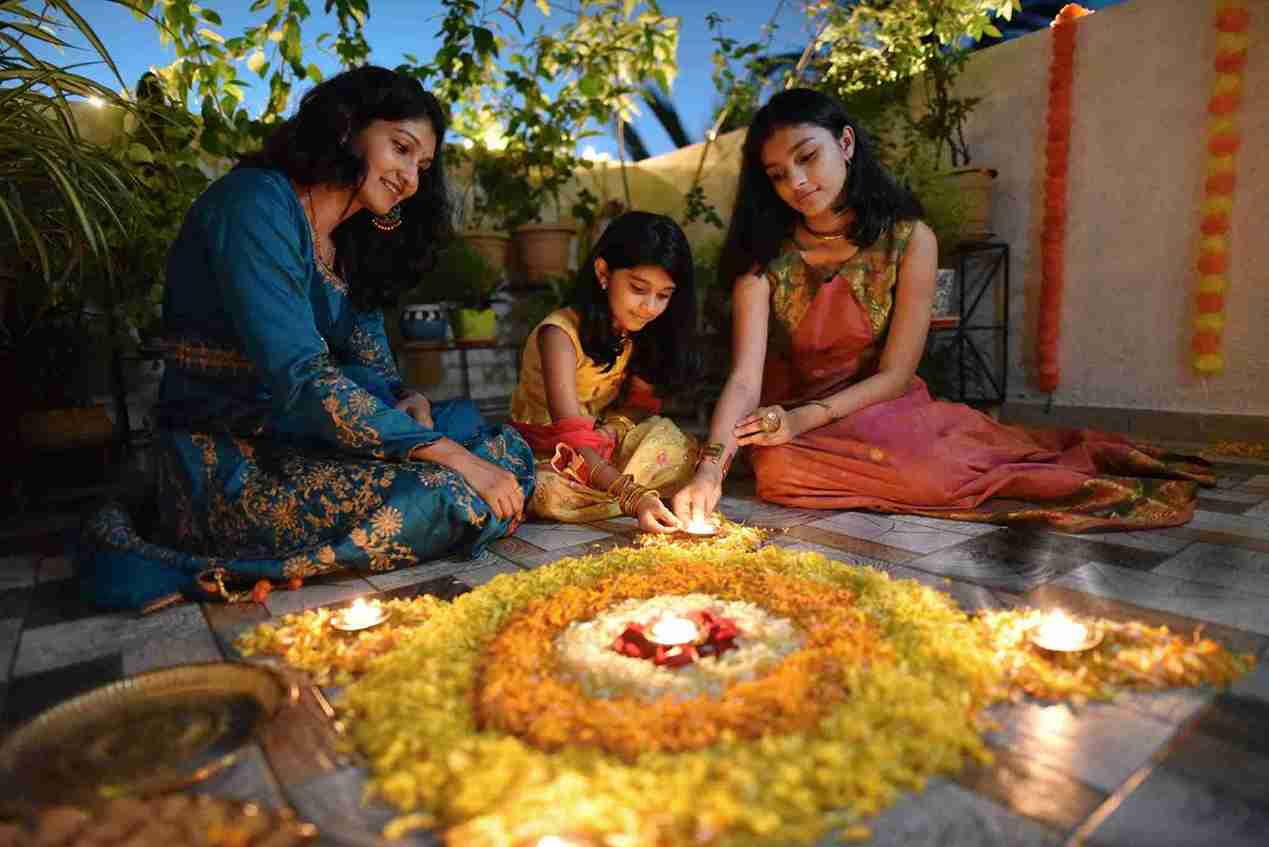
People use flowers, lights, candles, and colorful rangolis to decorate. Doors and windows are adorned with garlands made of marigold flowers and mango leaves, as they are considered auspicious.
Common decoration ideas during Diwali include:
- Lighting diyas at the entrance, balcony, and near the puja area.
- Hanging fairy lights on walls and balconies.
- Making colorful rangoli patterns at the doorstep to welcome guests.
- Using flowers, candles, and lanterns for a warm festive touch.
When the entire neighborhood lights up, it feels as if the stars have come down to Earth.
4.3. Shopping and New Beginnings
Shopping is another joyful part of Diwali preparation. Markets are filled with people buying new clothes, sweets, utensils, and gifts. According to tradition, buying something new before Diwali brings good fortune and marks a fresh start.
People also buy items needed for the Lakshmi Puja, such as diyas, incense sticks, flowers, and idols of Goddess Lakshmi and Lord Ganesha. For many families, this is also the time to buy gold or silver coins, as it is believed to attract prosperity.
Here are a few things most families shop for before Diwali:
- New clothes for all family members.
- Sweets and dry fruits for guests and relatives.
- Decorative lights, diyas, and candles.
- Gifts for friends and colleagues.
The joy of shopping and preparing together adds to the excitement of the festival.
4.4. Preparing for Puja and Festivities
A few days before Diwali, families start setting up their puja area. The place is cleaned and decorated with flowers and lamps. On the main day, everyone gathers for Lakshmi Puja in the evening to seek blessings for happiness and success.
During puja, people light diyas, offer sweets, chant prayers, and share blessings with family and friends. The fragrance of incense and flowers fills the air, creating a peaceful and spiritual atmosphere.
4.5. The Spirit of Togetherness
Preparing for Diwali is not just about cleaning or decorating, it’s about working together as a family. Everyone, from children to elders, plays a role. Kids help with decorations, elders make sweets, and parents plan gifts and shopping.
This teamwork creates lasting memories. Laughter, fun, and love fill every home even before the festival begins. The preparation itself becomes a celebration.
5. Diwali Celebrations Across India
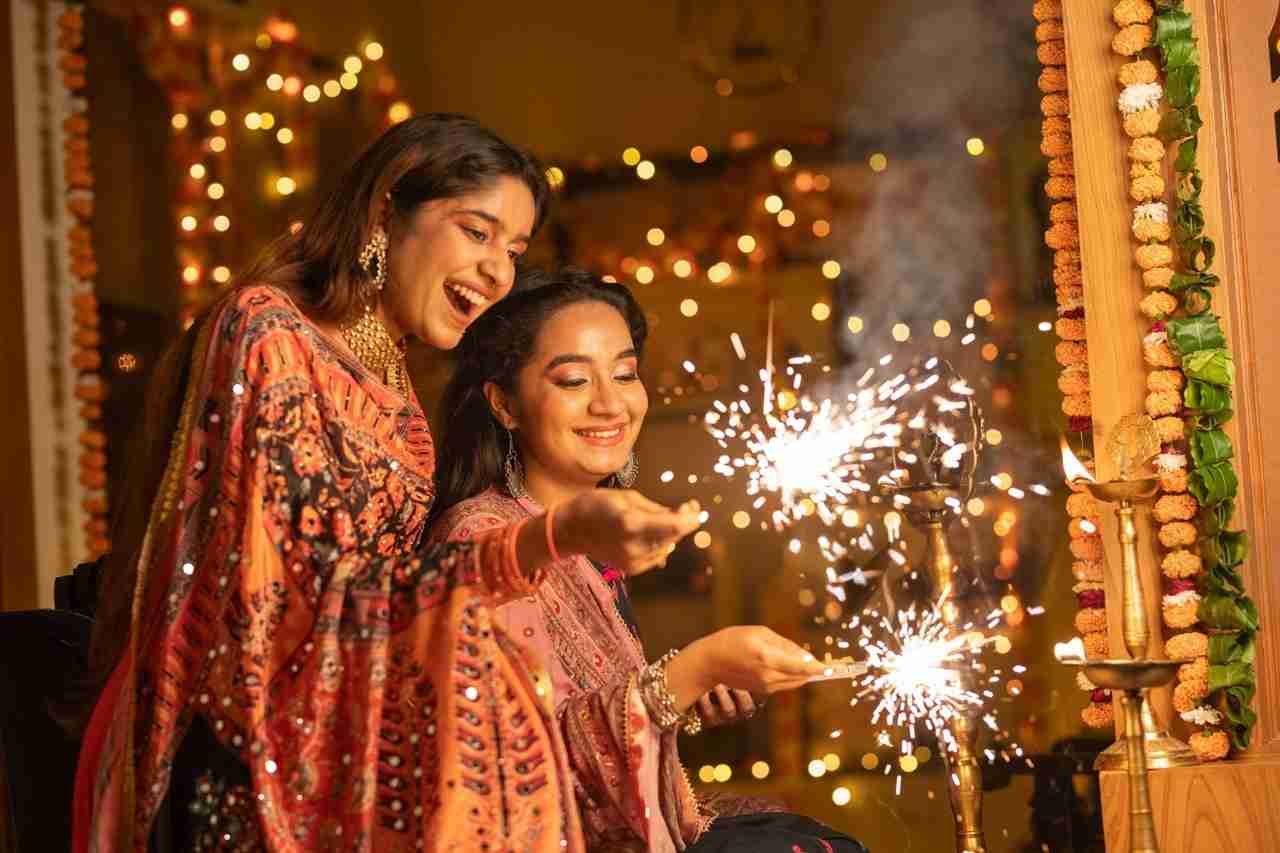
Diwali is celebrated in unique ways across different regions of India. While the core message of light, positivity, and togetherness remains the same, each state and community adds its own traditions, flavors, and colors to the festival.
5.1. North India: Light and Joy
In North India, Diwali is celebrated mainly to honor Lord Rama’s return to Ayodhya after defeating the demon king Ravana. People clean and decorate their homes, light hundreds of diyas, and burst firecrackers to mark the victory of good over evil.
Here are some common traditions in North India:
- Homes and courtyards are decorated with rangoli and strings of lights.
- Families perform Lakshmi Puja in the evening to invite wealth and prosperity.
- Sweets like laddoo, barfi, and jalebi are prepared and shared with neighbors.
- Fireworks light up the night sky, and children enjoy the sparkling celebration.
The celebrations are filled with music, laughter, and community spirit. Streets and homes shine brightly, creating a magical atmosphere that everyone enjoys.
5.2. West India: Business and New Beginnings
In states like Gujarat and Maharashtra, Diwali marks the start of a new financial year for businesses. Traders clean their shops, decorate with lights, and perform Lakshmi Puja to pray for success in the coming year.
Other key practices in West India include:
- Drawing intricate rangoli patterns at the entrance of homes and shops.
- Exchanging gifts and sweets with friends, family, and business partners.
- Organizing family gatherings and special meals.
This combination of spirituality, culture, and business makes Diwali an important and busy festival in Western India.
5.3. South India: Defeating Evil
In South India, Diwali is closely associated with Lord Krishna’s victory over the demon Narakasura. People wake up early, take oil baths, and wear new clothes to purify themselves and start the day fresh.
Other South Indian Diwali traditions:
- Small crackers are burst to celebrate the triumph of good over evil.
- Families prepare sweets and savory dishes to share with relatives and neighbors.
- Special prayers are offered in homes and temples for health and prosperity.
The focus in the South is on cleansing the body and mind, along with enjoying the joy and flavors of the festival.
5.4. East India: Worship of Goddess Kali
In Eastern India, especially in West Bengal, Diwali is celebrated as Kali Puja. People worship Goddess Kali, the goddess of strength and protection, during the night. Homes are decorated with lights and candles, and rituals are performed to seek blessings.
Other customs include:
- Preparing traditional Bengali sweets like sandesh and rasgulla.
- Lighting diyas and candles around the home and courtyard.
- Visiting friends and family to exchange greetings and gifts.
This form of Diwali emphasizes devotion, courage, and the spiritual side of the festival.
5.5. The Spirit That Connects All Regions
Even though the stories and rituals differ, the essence of Diwali remains the same across India. It is a festival that spreads happiness, strengthens family bonds, and encourages sharing and giving.
From the glowing streets of Ayodhya to the colorful markets of Kolkata, from the festive homes in Mumbai to the sparkling neighborhoods in Chennai, Diwali creates a sense of unity among people of all cultures and communities.
6. The Five Days of Diwali
Diwali is not just one day of celebration, it is a festival that lasts for five days. Each day has its own special significance, traditions, and rituals. Celebrating all five days together makes the festival complete and meaningful.
6.1. Day 1: Dhanteras
Dhanteras is the first day of Diwali and is dedicated to wealth and prosperity. The word “Dhan” means wealth, and “Teras” refers to the thirteenth day of the lunar calendar.
On this day:
- People clean their homes and decorate with diyas.
- New utensils, gold, silver, or coins are bought as a symbol of good luck.
- Special prayers are offered to Goddess Lakshmi and Lord Kubera, the god of wealth.
Dhanteras reminds us that wealth should be earned honestly and used wisely. It is also a day to prepare the home for the upcoming celebrations.
6.2. Day 2: Naraka Chaturdashi or Choti Diwali
The second day is called Naraka Chaturdashi or Choti Diwali. It celebrates Lord Krishna’s victory over the demon Narakasura, symbolizing the triumph of good over evil.
Traditions on this day include:
- People wake up early and take an oil bath, which is believed to cleanse the body and soul.
- Small crackers are burst to celebrate the victory.
- Homes are decorated, and preparations for the main Diwali day begin.
This day teaches us that courage and righteousness can overcome negativity in our lives.
6.3. Day 3: Lakshmi Puja (Main Diwali Day)
The third day is the most important day of Diwali. Families perform Lakshmi Puja in the evening to invite wealth, happiness, and prosperity into their homes.
Key practices include:
- Lighting diyas throughout the home to guide Goddess Lakshmi.
- Decorating rangoli at the entrance.
- Preparing and offering sweets and special meals to the deities.
- Bursting firecrackers to celebrate and share joy with the community.
This day is the heart of Diwali. It symbolizes the victory of light over darkness, good over evil, and hope over despair.
6.4. Day 4: Govardhan Puja / Annakut
The fourth day is celebrated as Govardhan Puja in many parts of India. It commemorates Lord Krishna lifting the Govardhan Hill to protect villagers from heavy rains caused by Indra, the rain god.
Traditions include:
- Preparing a variety of vegetarian dishes and arranging them as offerings to the deities, called Annakut.
- Prayers are offered for health, wealth, and protection.
- In some regions, cows are decorated and worshipped.
This day teaches gratitude, respect for nature, and the importance of community protection.
6.5. Day 5: Bhai Dooj
The fifth and final day of Diwali is Bhai Dooj, dedicated to the bond between brothers and sisters. Sisters pray for their brothers’ long life and success, and brothers promise to protect their sisters.
Common traditions include:
- Sisters performing a tilak ceremony on their brothers’ foreheads.
- Exchanging gifts and sweets between siblings.
- Family gatherings to end the festival with love and joy.
Bhai Dooj emphasizes family relationships and the value of love, trust, and protection.
6.6. The Complete Cycle of Celebration
Each of these five days has its own rituals and stories, but together they create a festival full of joy, devotion, and learning. From wealth and prosperity to courage, gratitude, and family bonds, Diwali teaches lessons that stay with us all year long.
7. Diwali Foods and Sweets
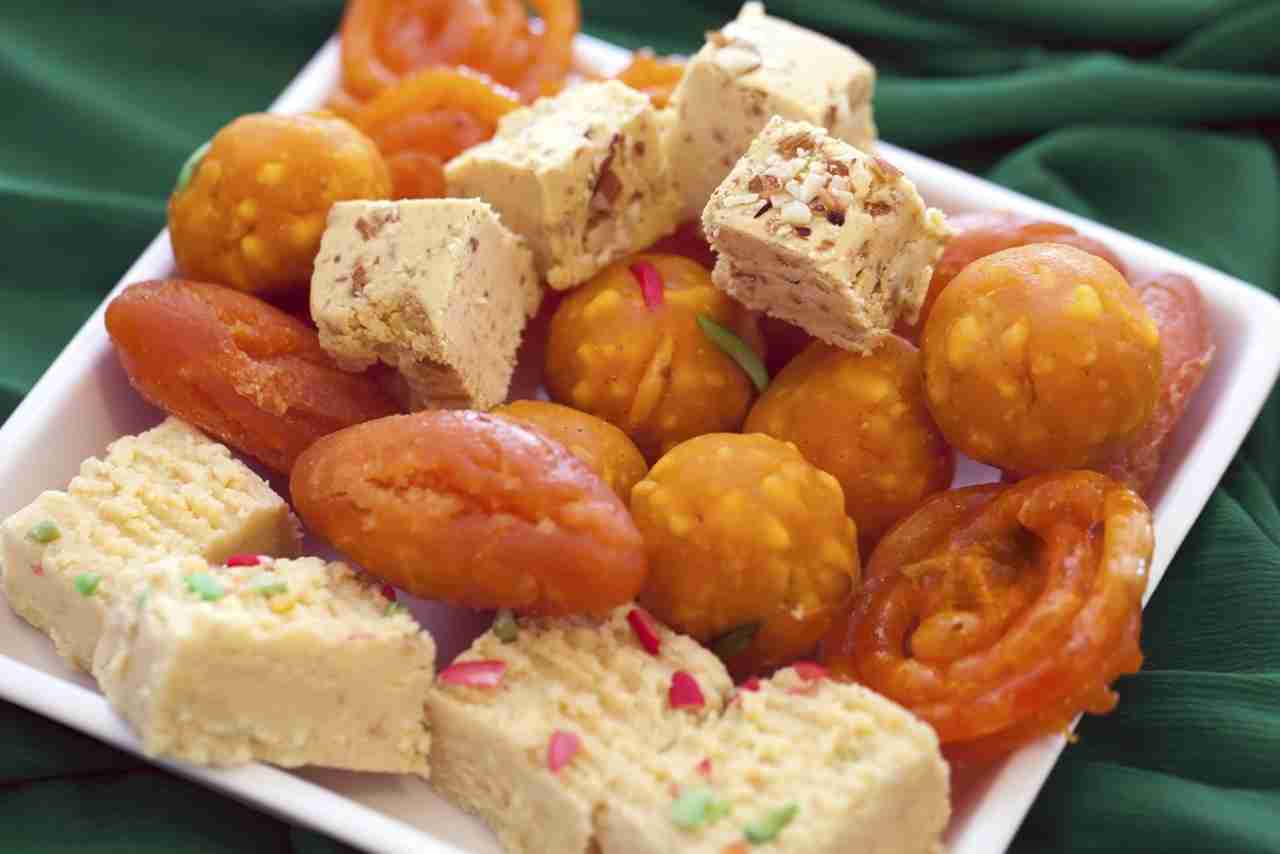
No Diwali is complete without delicious foods and sweets. Cooking and sharing food is one of the most important parts of the festival. It is not only about taste but also about expressing love, hospitality, and happiness.
7.1. Traditional Sweets
During Diwali, every home prepares a variety of sweets that are shared with family, friends, and neighbors. Each sweet has its own story and significance.
Popular Diwali sweets include:
- Laddoo: Round balls made of gram flour, ghee, and sugar, often flavored with cardamom.
- Barfi: A soft, creamy sweet made from milk, sugar, and nuts.
- Jalebi: Crispy, spiral-shaped sweet soaked in sugar syrup.
- Kaju Katli: Diamond-shaped cashew nut fudge that is rich and delicious.
- Chum Chum and Sandesh: Especially popular in Eastern India, made from milk and sugar.
Making sweets is often a family activity. Grandparents, parents, and children come together in the kitchen, sharing stories and laughter while preparing these treats.
7.2. Savory Snacks
Along with sweets, savory snacks are also prepared to balance the taste of Diwali meals. These snacks are shared with guests or enjoyed as treats with tea. Common Diwali snacks include:
- Samosas: Deep-fried pastries filled with spiced potatoes or meat.
- Chakli: Crunchy spiral-shaped snack made from rice flour and spices.
- Namakpare: Crispy, salty fried pieces of dough, perfect for snacking.
- Mathri: Flaky, savory biscuits flavored with carom seeds.
These snacks are usually stored in decorative boxes and shared with relatives and neighbors, spreading joy and warmth.
7.3. Special Puja Meals
On Diwali, simple yet special meals are prepared for the deities during the Lakshmi Puja. These meals often include rice, lentils, sweets, and seasonal fruits. After the prayers, the food is shared among family members as prasad, which is believed to bring blessings and prosperity.
7.4. Personal Memories of Diwali Cooking
One of the most memorable parts of Diwali is helping elders in the kitchen. Rolling laddoos, stirring sugar syrup for jalebis, or garnishing barfi with almonds creates a special bond between generations. The aroma of ghee, cardamom, and fresh sweets fills the house, creating an atmosphere of celebration even before the main day of Diwali arrives.
7.5. Modern Diwali Treats
In recent years, many families have also prepared modern sweets and fusion desserts to add variety. Chocolate laddoos, dry fruit rolls, and customized gift boxes have become popular alongside traditional treats. This mix of old and new keeps the festival exciting and enjoyable for everyone.
7.6. Sharing Food: A Way to Spread Happiness
The real joy of Diwali comes from sharing food. Giving sweets and snacks to neighbors, friends, and relatives strengthens bonds and spreads love. It reminds everyone that Diwali is not only about celebrating with your family but also about creating happiness in the community.
8. Diwali Decorations and Rangoli Art
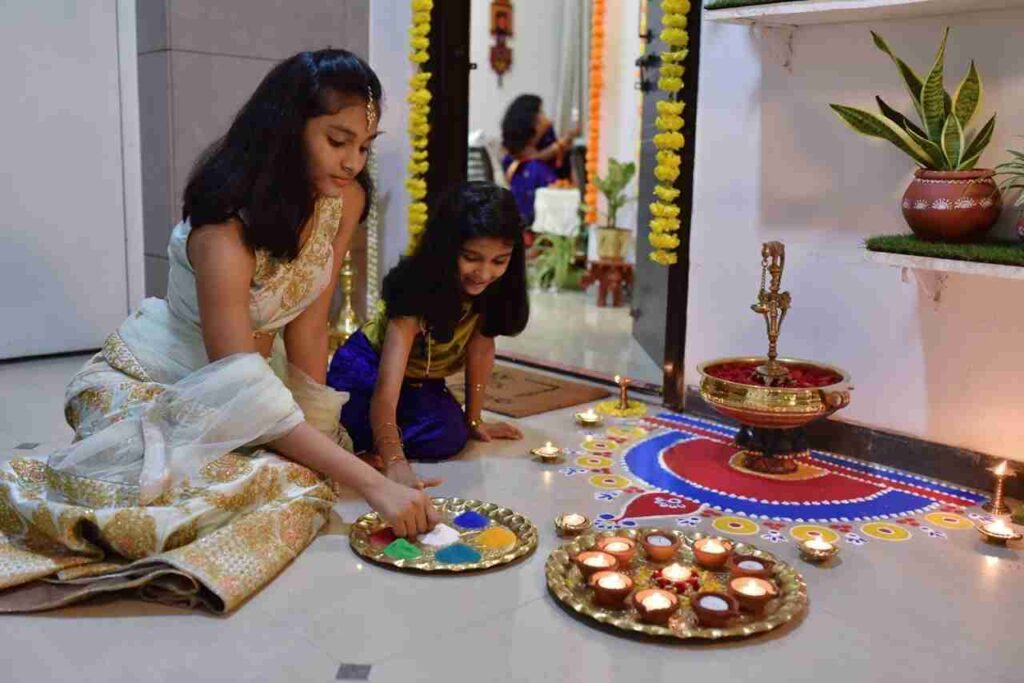
Decorations are one of the most beautiful parts of Diwali. They make homes bright, colorful, and full of life. Every lamp, rangoli, and flower used in decoration has a special meaning. It is not just about making the house look good, it is about creating a positive and happy atmosphere for family, friends, and Goddess Lakshmi.
8.1. Lighting Diyas and Candles
The most important Diwali decoration is lighting diyas (small oil lamps) and candles. Diyas are placed in every corner of the house, on windowsills, balconies, and entrances.
- Diyas symbolize light over darkness, hope over despair, and knowledge over ignorance.
- They are believed to invite prosperity and happiness into the home.
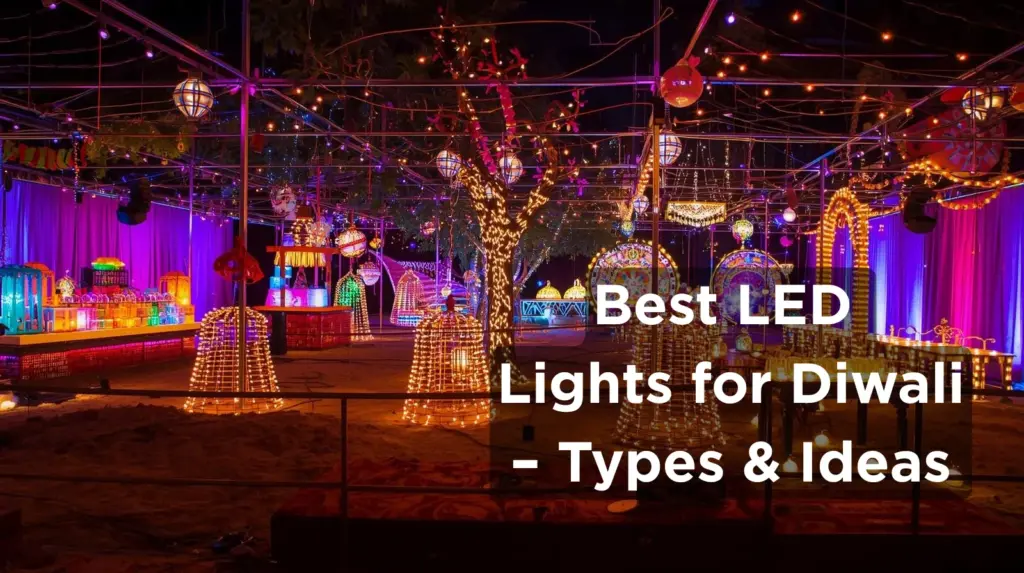
- Some families also use LED lights and fairy lights to add a modern touch while keeping the traditional spirit alive.
When thousands of diyas are lit, the entire house and neighborhood glow, creating a magical and festive atmosphere.
8.2. Rangoli: Art at the Doorstep
Rangoli is another important decoration for Diwali. It is a colorful design made at the entrance of homes to welcome guests and Goddess Lakshmi. Rangolis are made using:
- Colored powders
- Flower petals
- Rice flour
- Turmeric or natural colors
Creating rangoli is often a family activity. Children help with simple patterns while adults make intricate designs. Rangoli not only adds beauty but also shows respect and positivity to visitors and deities.
8.3. Flower Decorations
Flowers play a big role in Diwali decorations. Fresh marigolds, roses, and jasmine are used to make garlands and decorate the house.
- Flower garlands are hung on doors and windows.
- Flowers are also placed around diyas and puja areas for a natural and fragrant look.
- Using fresh flowers is considered auspicious and is believed to attract positive energy.
8.4. Decorative Items and Modern Touches
Apart from traditional decorations, many families now use lanterns, wall hangings, and themed decorative items. These modern touches add elegance while keeping the traditional feel. Some families also use eco-friendly materials for decoration to celebrate responsibly.
8.5. The Spirit Behind Decorations
Diwali decorations are not only for beauty, they represent joy, warmth, and positivity. Lighting a diya, making a rangoli, or arranging flowers is a way of welcoming happiness and prosperity into the home.
Decorating together also strengthens family bonds. The process of creating something beautiful and meaningful adds to the excitement and festive feeling.
8.6. Memories of Decorating for Diwali
For many, decorating is one of the most memorable parts of Diwali. I remember how my cousins and I used to compete to make the most colorful rangoli while my parents placed diyas and fairy lights everywhere. By evening, the house would shine like a small piece of the sky. The combination of colors, lights, and laughter made Diwali magical.
9. Eco-Friendly Diwali Ideas
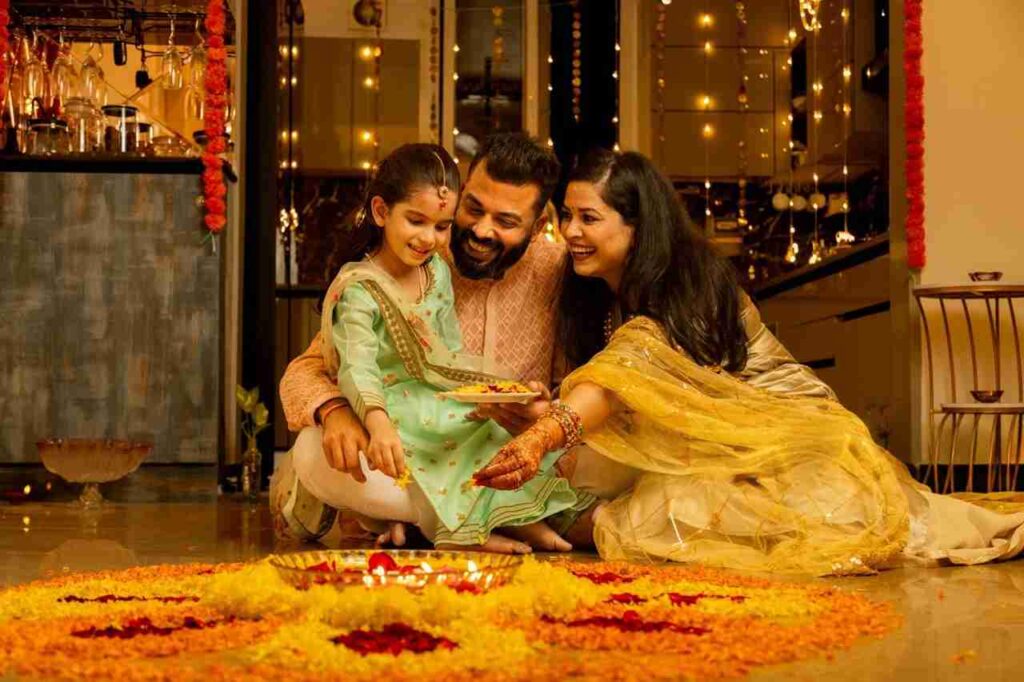
In recent years, many people have started celebrating Diwali in an eco-friendly way. Traditional celebrations with firecrackers and chemical-based decorations can harm the environment. By making small changes, we can enjoy the festival while protecting nature, animals, and our health.
9.1. Reducing Pollution from Firecrackers
Firecrackers are exciting, but they produce smoke, noise, and harmful gases that pollute the air. This can cause breathing problems and stress for both people and animals.
Here are some alternatives:
- Use LED lights and diyas instead of crackers.
- Light sparklers in small amounts if children want to enjoy fireworks safely.
- Organize community firework shows instead of everyone bursting crackers individually.
Choosing these options keeps the air clean and makes Diwali safer for everyone.
9.2. Eco-Friendly Rangoli and Decorations
Many traditional rangoli powders contain chemicals that can be harmful to water and soil. Using natural and reusable materials is better for the environment.
Eco-friendly options include:
- Rice flour, turmeric, and flower petals for rangoli.
- Reusable cloth or paper decorations instead of plastic items.
- Clay or earthen diyas instead of synthetic lamps.
These choices are safe for nature and make decorations look traditional and beautiful.
9.3. Sustainable Gifting Ideas
Gifts are a big part of Diwali, but plastic packaging and unnecessary items create waste. Choosing thoughtful and sustainable gifts is a simple way to celebrate responsibly.
Some eco-friendly gifting ideas are:
- Indoor plants or small trees that bring life and greenery.
- Handmade crafts or local products that support small businesses.
- Reusable containers, bags, or kitchen items instead of disposable products.
This not only helps the environment but also makes the gift more meaningful.
9.4. Reducing Waste During Celebrations
Apart from gifts and decorations, Diwali celebrations can produce a lot of waste from plates, cups, and packaging. Using reusable or biodegradable items is a smart way to reduce this waste.
Tips include:
- Serve sweets and snacks in reusable bowls or trays.
- Use cloth napkins and plates instead of single-use paper or plastic.
- Recycle gift wrappers or avoid unnecessary packaging.
9.5. Teaching Children About Green Diwali
Celebrating an eco-friendly Diwali also teaches children the importance of protecting the environment. When kids see how diyas, rangoli, and gifts can be made sustainably, they learn to respect nature while enjoying the festival.
9.6. The Joy of Responsible Celebration
Eco-friendly Diwali proves that we can enjoy every moment of the festival without harming the planet. By choosing natural decorations, limiting firecrackers, and reducing waste, we make Diwali safer, healthier, and more meaningful for everyone.
The true spirit of Diwali lies in spreading happiness, love, and positivity, these can shine even brighter when we celebrate responsibly.
10. Diwali Shopping and Gift Guide
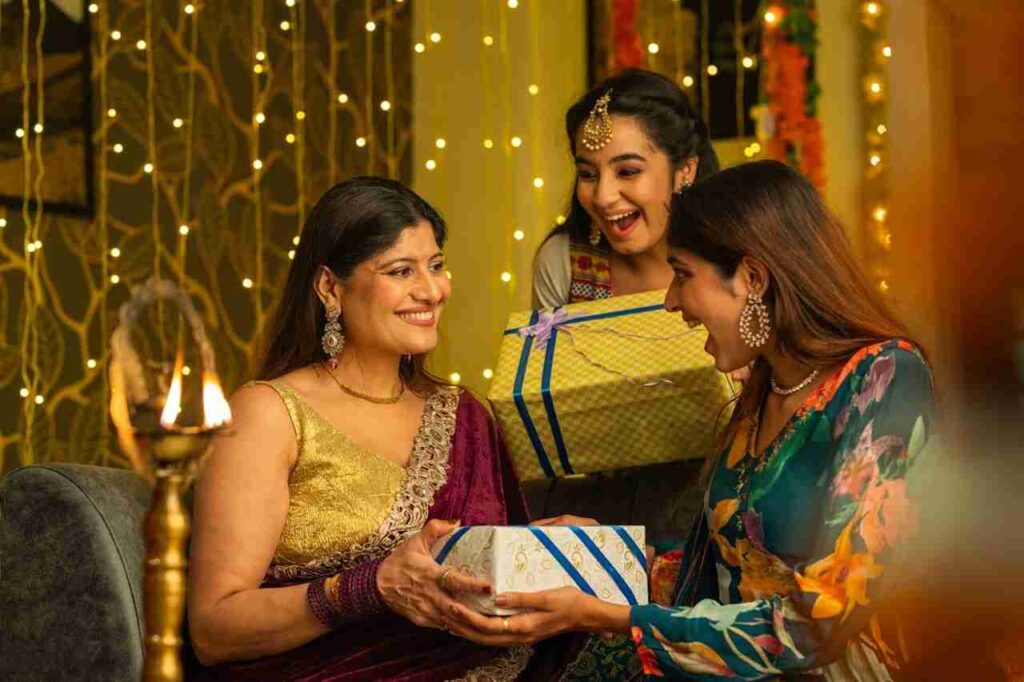
Shopping is an exciting part of Diwali, but it can also be overwhelming if not planned well. From clothes and sweets to gifts and decorations, Diwali shopping is a mix of tradition, celebration, and fun. With a little planning, you can enjoy it without stress and make it meaningful for your family and friends.
10.1. Planning Your Diwali Shopping
Before starting your shopping, it is important to make a list and set a budget. This helps avoid unnecessary purchases and last-minute rush. Without planning, people often spend extra money or forget important items, which can take away from the joy of the festival.
Tips for planning:
- Make a list of items you need: clothes, sweets, gifts, decorations, and puja essentials.
- Set a budget for each category to control expenses.
- Start shopping early to avoid crowded markets and late delivery issues.
Planning also allows you to prioritize important purchases, such as new clothes for family members or gifts for close relatives. It also gives you time to explore creative ideas for decorations and gifts, making the festival more special.
10.2. Buying Sweets and Snacks
Sweets and snacks are an essential part of Diwali. They are shared with family, friends, and neighbors as a symbol of love and celebration. Buying them in advance saves time and ensures freshness, so you can focus on other festival activities.
- Visit local sweet shops for traditional sweets like laddoo, barfi, and kaju katli.
- Buy snacks such as samosas, chakli, and namakpare early to avoid shortages.
- Consider homemade sweets for a personal touch that adds warmth to the celebration.
Homemade sweets are not only tasty but also show the effort and care put into the festival. Helping children or younger family members make sweets together creates memories that last a lifetime.
10.3. Choosing Thoughtful Gifts
Gifting during Diwali is a way to show love, respect, and gratitude. Thoughtful gifts are remembered longer than expensive ones. Choosing gifts with meaning reflects the spirit of Diwali, caring for others, and spreading happiness.
Gift ideas include:
- Handmade or personalized items like photo frames, candles, or diyas.
- Plants or small trees that bring positivity and are eco-friendly.
- Clothes or accessories chosen according to the recipient’s taste.
- Local crafts and products that support small businesses.
Thoughtful gifting also strengthens relationships. For example, giving a plant or a handmade item tells someone that you care about them and the environment. Even small gestures like a box of homemade sweets can leave a lasting impression.
10.4. Shopping for Decorations
Diwali decorations bring life and color to the home. Decorating is not just about looks; it sets the mood and energy for the entire festival. A beautifully decorated home feels welcoming, warm, and joyful for family and guests.
Suggestions:
- Clay diyas and eco-friendly candles for lighting.
- Natural or reusable materials for rangoli and decorative items.
- Strings of lights for balconies, windows, and puja areas.
Decorations bought thoughtfully can be reused year after year, saving money and reducing waste. Involving children in decoration activities also helps teach creativity and the joy of making something special.
10.5. Online Shopping Tips
Many people now prefer online shopping for convenience. It is especially useful for busy families or for items not easily available locally. However, it is important to plan carefully to avoid delays or disappointments.
- Check delivery dates in advance to receive items before Diwali.
- Read reviews and ratings for quality assurance.
- Compare prices to get the best deals.
Online shopping is especially helpful for gifts, decorative items, and sweets that may not be available locally. Ordering early also allows time to wrap gifts creatively and prepare personalized packages for friends and family.
10.6. The Joy of Sharing
The real spirit of Diwali shopping is not just buying things but preparing for happiness. Thoughtful purchases, whether sweets, gifts, or decorations, are ways of showing love, respect, and care.
By planning and choosing items carefully, we can ensure that everyone, family, friends, neighbors, and even ourselves, feels included and happy. Shopping with thoughtfulness brings an extra layer of joy to the festival, making Diwali more memorable and meaningful.
11. Global Celebrations of Diwali
Diwali is not only celebrated in India but also by Indian communities and others around the world. The festival has traveled with people who moved to different countries, and today it is celebrated with lights, sweets, prayers, and joy in many parts of the globe.
11.1. Diwali in Nepal
In Nepal, Diwali is known as Tihar or Deepawali. It is celebrated for five days, similar to India, and each day honors different animals, people, and gods.
- Day 1: Crows are worshipped, as they are considered messengers of death and good fortune.
- Day 2: Dogs are honored for their loyalty.
- Day 3: Cows and oxen are celebrated, as they are important in agriculture and everyday life.
- Day 4: Brothers and sisters share love and gifts, similar to Bhai Dooj in India.
- Day 5: Homes are decorated, diyas are lit, and prayers are offered to Goddess Lakshmi.
The festival in Nepal shows the connection between humans, animals, and nature, emphasizing respect and gratitude.
11.2. Diwali in Sri Lanka
In Sri Lanka, Diwali is mainly celebrated by the Tamil Hindu community. Temples are decorated, special prayers are offered, and sweets are shared with family and friends. Schools and community centers also organize cultural programs to teach younger generations about the traditions and stories of Diwali.
11.3. Diwali in Mauritius
Mauritius has a large Indian population, and Diwali is celebrated with great enthusiasm. People light diyas, decorate their homes, and burst firecrackers. Many also participate in public events organized by temples and cultural groups. Sweets and gifts are exchanged, and families gather to enjoy traditional meals together.
11.4. Diwali in the United States, Canada, and the UK
Indian communities in countries like the United States, Canada, and the United Kingdom celebrate Diwali with a mix of Indian traditions and local influences.
- Temples and community halls organize cultural programs, dance, and music performances.
- People decorate homes and neighborhoods with lights, rangoli, and diyas.
- Families host Diwali parties to share traditional foods and sweets.
- Children learn about Diwali through storytelling, arts, and craft activities in schools and community centers.
Even in foreign lands, the core essence of Diwali, celebrating light, goodness, and togetherness, remains the same.
11.5. Diwali in Southeast Asia
Countries like Singapore, Malaysia, and Fiji also celebrate Diwali, locally known as Deepavali. Streets are decorated with colorful lights, markets are full of sweets and gifts, and temples hold grand pujas. The festival is not only religious but also a cultural event where people of all communities join in the celebration.
11.6. The Global Spirit of Diwali
No matter where it is celebrated, Diwali spreads the same message: light over darkness, knowledge over ignorance, and good over evil. It also teaches gratitude, generosity, and togetherness.
For Indian communities abroad, Diwali is a way to stay connected to their roots. For locals in those countries, it is an opportunity to learn about Indian culture, enjoy traditional foods, and participate in joyful celebrations.
The global celebration of Diwali shows that the festival is not limited by borders. Its values and traditions have universal appeal, reminding everyone of the importance of hope, positivity, and love.
12. Personal Experiences and Memories of Diwali
Diwali is not just about lights, sweets, or decorations, it is about creating memories that stay with us forever. Every family, every street, and every community has its own special way of celebrating. Personal experiences make Diwali truly unforgettable.
12.1. Childhood Memories
For many, the excitement of Diwali begins weeks before the festival. Children eagerly wait for the day when homes will shine with lights and streets will be filled with laughter.
- Cleaning and decorating the house with family becomes a fun activity. Kids help make rangoli patterns, place diyas, and hang flowers and lanterns.
- Preparing sweets is always a favorite. Rolling laddoos with grandparents or stirring sugar syrup for jalebis fills the house with aroma and joy.
- Bursting sparklers and small crackers in the evening brings excitement and a sense of celebration.
These childhood memories often become stories that are shared with the next generation, keeping the spirit of Diwali alive.
12.2. Family Gatherings
Diwali is a time when families come together, sometimes traveling long distances to be with loved ones. The joy of being with family adds warmth and happiness to the festival.
- Families sit together for Lakshmi Puja, offering prayers and sweets.
- Special meals are prepared, and everyone enjoys the feast together.
- Exchanging gifts and sharing laughter strengthens bonds between siblings, cousins, and extended family members.
The festival teaches us the importance of togetherness, and these gatherings often become the highlight of the year.
12.3. Community Celebration
Diwali is also celebrated in neighborhoods and communities, creating a sense of unity.
- People visit neighbors with sweets and gifts, spreading happiness beyond their own homes.
- Community events like Diwali melas or fairs bring everyone together for fun, games, and cultural programs.
- The glow of thousands of lights across the neighborhood creates a magical environment that everyone enjoys.
These shared experiences help build friendships and connections that last a lifetime.
12.4. Lessons from Personal Experiences
Every Diwali teaches valuable lessons:
- Patience and teamwork during preparation bring joy and cooperation.
- Gratitude for family, friends, and blessings makes the festival more meaningful.
- Sharing and kindness create happiness not only for ourselves but also for others.
- Cherishing traditions keeps cultural values alive while allowing new generations to learn and participate.
12.5. My Own Diwali Memories
One of my fondest Diwali memories is when the whole family worked together to decorate our home. We placed hundreds of diyas carefully, made a huge rangoli in the courtyard, and prepared sweets together. In the evening, the entire neighborhood looked beautiful with lights shining from every home.
We exchanged sweets with neighbors, laughed over small mistakes in decoration, and enjoyed hours of storytelling. That night, I realized that the true essence of Diwali is togetherness, love, and creating happiness, far beyond lights and fireworks.
12.6. The Magic That Stays
Diwali memories, whether big or small, become part of our lives forever. From the excitement of children to the joy of family gatherings and the smiles of neighbors, every moment contributes to the magic of the festival.
These experiences remind us why Diwali is called the Festival of Lights, because it lights up not just our homes, but our hearts and relationships as well.
Conclusion: The True Spirit of Diwali
Diwali is much more than just lights, fireworks, or sweets. It is a festival that brings people together, spreads joy, and reminds us of the values that make life meaningful. The essence of Diwali lies in hope, positivity, love, and togetherness.
Celebrating Diwali teaches us many lessons:
- Light over darkness: Just as diyas illuminate homes, positivity and knowledge can brighten our lives.
- Good over evil: The stories of Lord Rama, Krishna, and Narakasura remind us that courage and righteousness always win.
- Gratitude and generosity: Sharing sweets, gifts, and smiles strengthens bonds and spreads happiness.
- Family and community: Working together to prepare for Diwali creates memories and deepens relationships.
- Responsibility and sustainability: Eco-friendly celebrations show that joy can exist without harming the environment.
Whether you celebrate Diwali with traditional rituals, modern touches, or a mix of both, the festival is about bringing light into every corner of life, in our homes, hearts, and communities.
This festival encourages us to forgive, share, and embrace positivity. It is a reminder to pause, reflect, and appreciate the blessings we have while spreading happiness to others.
May every Diwali bring prosperity, joy, and light into your life and the lives of your loved ones. Celebrate responsibly, cherish every moment, and let the festival inspire hope and love that lasts all year long.
FAQs About Diwali
1. What is the main significance of Diwali?
Diwali celebrates the victory of light over darkness and good over evil. It is also a time to welcome Goddess Lakshmi into homes for wealth, prosperity, and happiness.
2. How is Diwali celebrated in different parts of India?
In North India, people clean homes, light diyas, burst firecrackers, and exchange sweets. In West India, it marks the New Year and involves Lakshmi Puja and business rituals. In South India, people take oil baths, offer prayers, and celebrate Lord Krishna’s victory over Narakasura. Eastern India celebrates Kali Puja with lamps, prayers, and traditional sweets.
3. What foods and sweets are popular during Diwali?
Traditional sweets include laddoo, barfi, jalebi, and kaju katli. Snacks like samosas, chakli, and namakpare are also common. Special meals are prepared for puja and shared with family and guests.
4. How can I celebrate Diwali in an eco-friendly way?
Use diyas, candles, and LED lights instead of firecrackers. Make rangoli with natural colors like rice flour, turmeric, or flower petals. Gift plants or handmade items, and use reusable or biodegradable materials for serving and packaging.
5. What are some tips for Diwali shopping?
Plan ahead by making a shopping list and setting a budget. Buy sweets, gifts, and decorations early. Choose thoughtful, handmade, or eco-friendly items, and check online deliveries to ensure everything arrives on time.