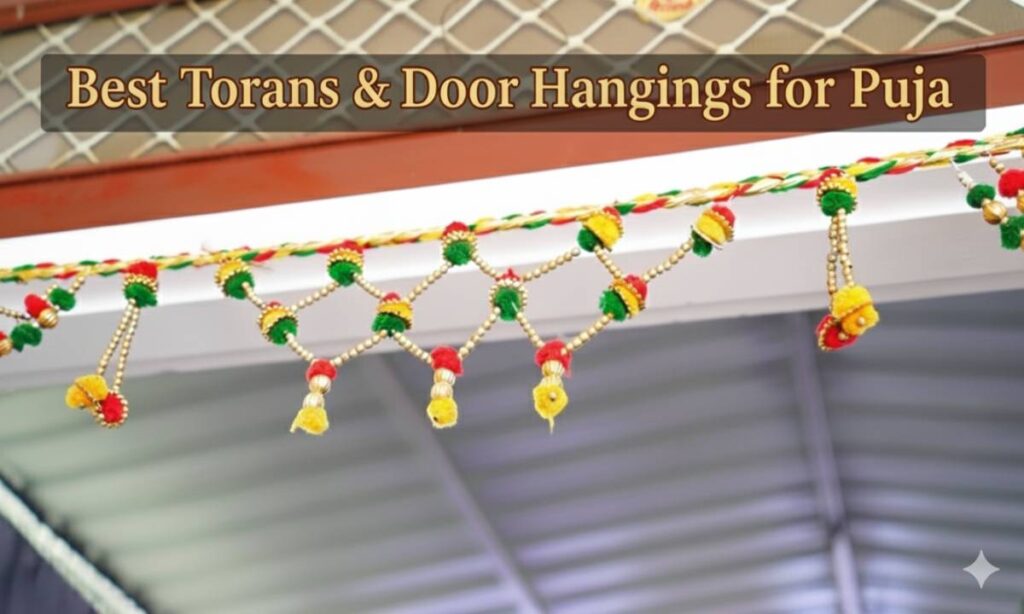
When it comes to decorating your home for festivals or puja rituals, nothing brings that instant festive feel quite like a beautiful toran or door hanging. In India, torans are not just decorations. They carry deep cultural and spiritual meaning. Placed at the entrance of the home, they are believed to invite prosperity, positivity, and divine blessings.
I still remember last Diwali. The first thing I bought for my home décor was a set of marigold torans. The moment I hung them on my main door, the entire vibe of my home changed. It felt brighter, more welcoming, and of course, more festive. That is the magic of torans. They not only decorate your home, but they also uplift your mood.
In this guide, we will see the best torans and door hangings for puja, their cultural meaning, types, and tips on choosing the right one for your home. I will also share my personal experiences so that you know exactly what works in real life.
Why Torans Are Important in Puja and Festivals
Before looking at the different types of torans, it is important to understand why they hold such a special place in Indian homes and rituals. Torans are not just decorative pieces. They are considered symbols of good fortune, happiness, and divine blessings. In almost every Indian festival, from Diwali to Navratri, a toran at the entrance is the first step to creating a positive and festive environment.
Symbol of Welcome
In Indian culture, the main entrance of a house is seen as the doorway for both guests and gods. A decorated entrance with a toran is believed to welcome Goddess Lakshmi, who brings wealth and prosperity. It is also a way of showing respect and warmth to visitors. Many people say that the first impression of a home is made at the door, and a beautiful toran instantly makes that impression positive.
Positive Energy
According to Vastu Shastra, torans have the power to block negative energy and invite good energy into the home. Bright colors like yellow, red, orange, and green are said to improve mood and attract positivity. When a toran is hung at the door, it creates a boundary where unwanted or negative forces cannot enter. This is why many families in India do not start a festival or wedding without putting up a toran first.
Auspiciousness
Torans are also symbols of good luck and prosperity. Traditionally, they are made with fresh mango leaves, neem leaves, and marigold flowers. Mango leaves are linked with good health and long life. Neem leaves are known for purity and protection. Marigold flowers bring brightness, energy, and devotion. Together, these natural elements make torans powerful symbols of harmony and auspiciousness. Even today, many people prefer natural leaf torans for puja days because of their cultural and spiritual value.
Festive Ambience
One of the main reasons torans are loved is because they instantly make a house look festive. Even if you do not decorate your entire home, just adding a colorful toran on the main door changes the atmosphere completely. A simple doorway begins to look grand and joyful. Festivals like Diwali, Ganesh Chaturthi, Navratri, Durga Puja, and even weddings or housewarming ceremonies feel incomplete without torans. They are also a great way to show devotion and keep the festive spirit alive throughout the season.
My Experience: Personally, I never skip hanging a toran during Diwali. Even if I do not decorate the entire house, a toran at the main door instantly creates a festive mood.
5 Best Torans And Door Hangings For Puja
Over the years, torans have changed a lot. In the past, people mostly used fresh mango leaves or flower garlands as torans. Today, there are many creative and long-lasting designs available, from traditional handmade torans to modern LED ones. Each type has its own beauty and purpose. Here are the 5 best torans and door hangings for puja:
Flower Torans (Fresh and Artificial)
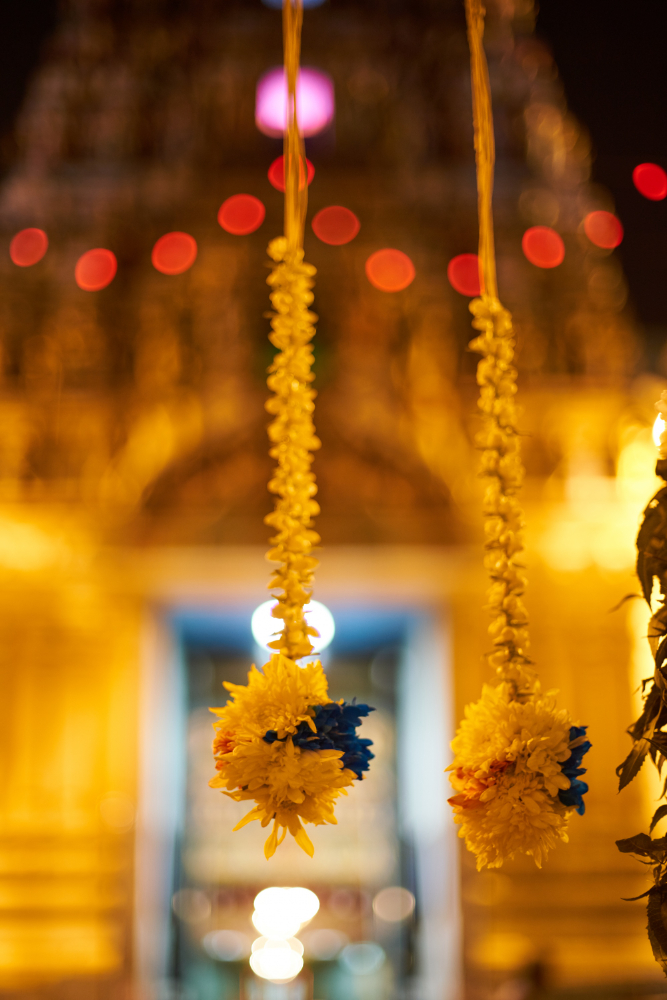
Flower torans are the most common and traditional type. Fresh flowers like marigolds, jasmine, and roses are tied together to create garlands that spread fragrance, freshness, and natural beauty. They are considered very pure and are widely used in puja, weddings, and festivals like Diwali, Navratri, and Ganesh Chaturthi. The only drawback is that they dry up quickly, so they need to be replaced often.
Artificial flower torans are made of fabric, plastic, or foam. They are designed to look exactly like real flowers and are a good option if you want long-lasting décor. These torans can be reused year after year, which makes them budget-friendly and convenient. Many artificial torans also come with mango leaf designs to look more authentic.
Example: Artificial marigold and mango leaf toran set for Diwali decoration.
Personal Note: I love fresh marigold torans during Navratri and Ganesh Chaturthi because they give a natural festive feel. But since they dry out quickly, I always keep a set of artificial torans ready for longer festivals like Diwali, where decorations are kept for many days.
2. Beaded & Fabric Torans
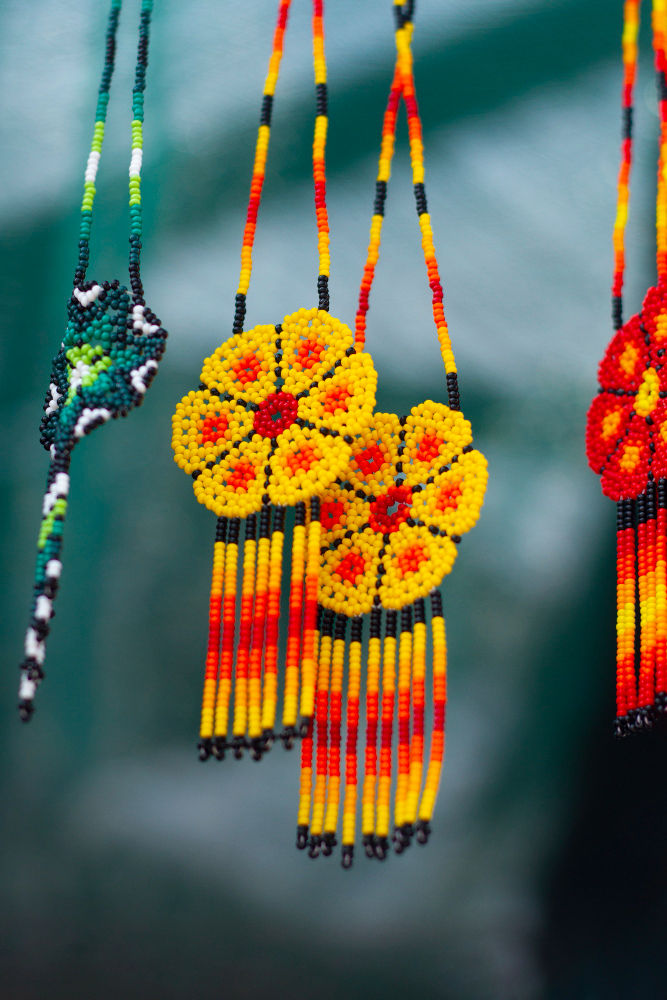
Beaded and fabric torans are colorful, rich-looking, and very traditional. They are usually made with beads, embroidery, sequins, zari, and mirror work. These torans give a royal touch to your entrance and can be used not only during puja but also for daily decoration. The bright colors make them perfect for festivals like Navratri and Durga Puja.
Handmade Rajasthani torans are especially famous. They often have small bells or tassels attached, which add a musical and festive touch whenever the wind blows. Since they are made of cloth and beads, they are durable and can last for years with little care.
Example: Rajasthani handmade fabric toran with mirror work.
Personal Note: I once bought a hand-embroidered toran from a fair in Jaipur. The colors were so vibrant, and the detailing was beautiful. Even today, it remains my favorite because of its charm and durability.
3. Paper & Eco-Friendly Torans
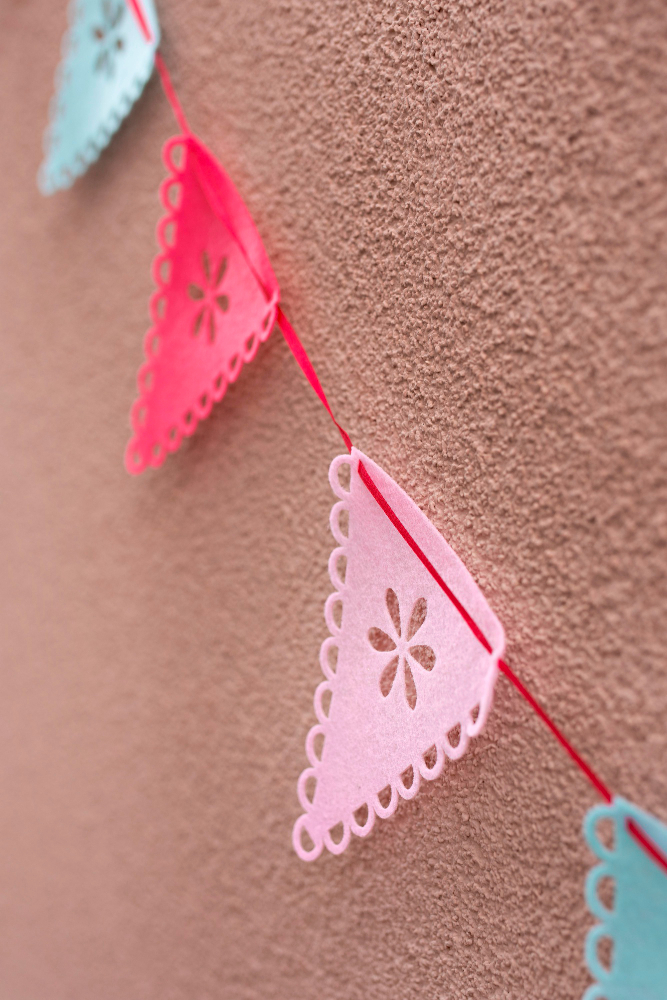
Eco-friendly torans are becoming more popular as people are moving towards sustainable celebrations. These torans are made with paper, jute, or natural fibers and are completely biodegradable. They are a great choice if you want to decorate your home in an eco-conscious way while still keeping it beautiful.
Paper torans are lightweight, colorful, and very affordable. They are best for one-time use, especially during short festivals or eco-friendly Ganesh Chaturthi celebrations. Jute torans give a rustic and natural look, making them perfect for people who love earthy and simple decorations.
Example: Eco-friendly jute toran with paper flowers.
Personal Note: Last Ganesh Chaturthi, I decorated my entrance with a paper flower toran. It was light, eco-friendly, and went perfectly with my eco-Ganesh idol. I felt good that I was celebrating in a sustainable way.
4. Metal & Wooden Torans
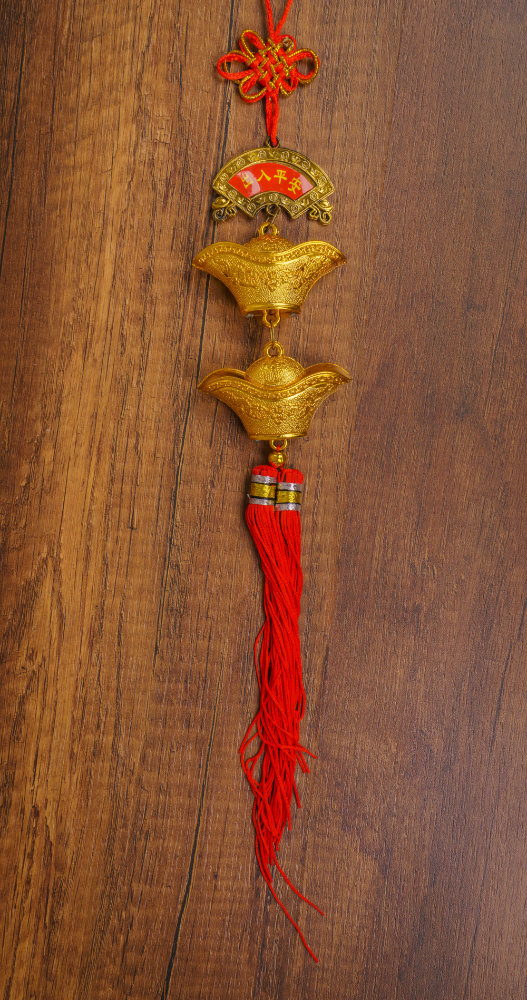
If you are looking for something permanent and long-lasting, metal and wooden torans are an excellent choice. They are often decorated with intricate carvings of gods, bells, the Swastika, the Om symbols, or Lakshmi’s feet. These torans are not only decorative but also considered highly auspicious.
Metal torans made of brass or copper look elegant and give a traditional temple-like vibe to the entrance. Wooden torans, on the other hand, have a warm and sacred feel. They are great for puja rooms, temple areas at home, and main doors where you want a permanent touch of divinity.
Example: Brass toran with bells and Om symbols.
Personal Note: I recently bought a wooden toran with Lakshmi feet motifs for my puja room. It gives a very divine look and feels special every time I enter the room. The best part is that it can be kept all year round.
5. LED & Modern Torans
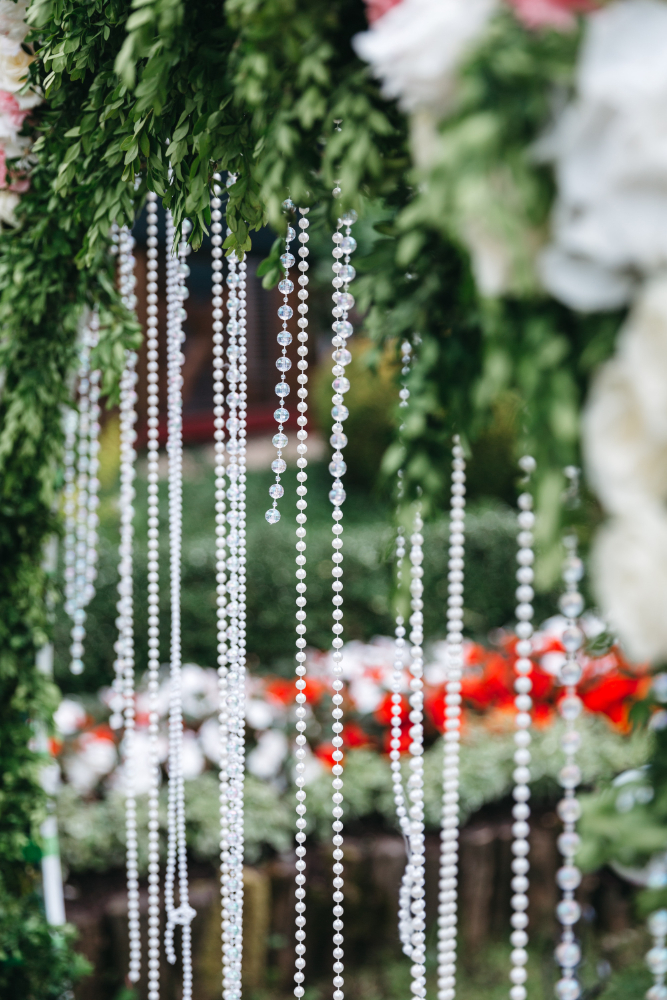
LED torans are for those who like mixing tradition with modern style. These torans combine flower or fabric decorations with small LED lights or fairy lights. At night, they look stunning and create a glowing entrance for your home. They are especially popular during Diwali, when lights play an important role in decoration.
LED torans are also versatile because you can use them for festivals, parties, birthdays, or even weddings. They add a festive charm while also lighting up your entrance.
Example: LED flower toran with decorative lights for Diwali.
Personal Note: I used an LED toran last Diwali, and it became the highlight of my entire decoration. Guests were impressed with the glowing doorway, and it created a warm, festive atmosphere both inside and outside my home.
Comparison of Torans
| Type of Toran | Looks | Durability | Best For | Buy Link |
| Fresh Flower Toran | Natural and fragrant | 1 to 2 days | Puja and one-day rituals | Buy Here |
| Artificial Flower Toran | Realistic and colorful | 2 to 3 years | Diwali and Navratri | Buy Here |
| Fabric or Beaded Toran | Traditional and vibrant | 5 years or more | Puja room, daily use | Buy Here |
| Metal or Wooden Toran | Elegant and sacred | Long lasting | Permanent décor, puja room | Buy Here |
| LED or Modern Toran | Stylish and glowing | 2 to 3 years | Diwali nights, parties | Buy Here |
How to Choose the Right Toran for Your Home
Buying a toran may look simple, but if you want it to match your home and last longer, there are a few things you should think about before making a choice. Whether you are preparing for Diwali, Ganesh Chaturthi, Navratri, or just a daily puja, the right toran can completely change the look of your entrance. Here are some important points to keep in mind:
Size of Your Door
Before anything else, measure the width of your door frame. Torans come in different lengths, and the wrong size can either look too short or too droopy. A perfectly fitted toran highlights your doorway and looks neat. For bigger double doors or main entrances, you may need an extra-long toran or even a set of two.
Tip: If you are buying online, always check the size mentioned in the product details to avoid disappointment.
Material Preference
The material of the toran is very important because it decides how long it will last and how often you need to replace it.
- Natural flowers and leaves: Perfect for religious rituals, puja days, and weddings. They give fragrance and freshness, but last only a day or two.
- Fabric and beaded torans: These are reusable, colorful, and look rich. They are perfect for daily decoration as well as festivals.
- Wooden and metal torans: Ideal for people who want something permanent and elegant. They can stay on your entrance throughout the year.
Tip: If you want both freshness and convenience, keep one fresh flower toran for puja days and one reusable fabric toran for regular use.
Occasion Matters
The type of toran you choose also depends on the occasion.
- Fresh flower torans: Best for religious ceremonies, weddings, Navratri, Ganesh Chaturthi, or Satyanarayan puja.
- Fabric or beaded torans: Great for everyday decoration, housewarming, or when you want a traditional look.
- Wooden or metal torans: Perfect for puja rooms or as a permanent piece at the main entrance.
- LED torans: Ideal for Diwali, Christmas, or evening parties when lighting plays a big role.
Example: For Diwali, you can combine a fresh marigold toran in the morning for Lakshmi puja and switch to an LED toran in the evening to light up your doorway.
Durability and Maintenance
If you want something that can be used again and again, go for fabric, wooden, or metal torans. They are easy to clean and last for years. Fresh flowers look beautiful but need daily replacement, which can be costly and time-consuming.
Tip: Choose a toran that suits your lifestyle. If you have a busy schedule, artificial or fabric torans are more practical. If you love natural beauty and don’t mind changing it often, fresh flowers are the best.
Budget and Price Range
Your budget plays an important role when choosing torans.
- Fresh flowers: Cheaper, but temporary. Ideal for puja or short festivals.
- Artificial flowers and fabric torans: Mid-range, reusable, and long-lasting. Good investment for yearly use.
- Handmade wooden or brass torans: Costlier, but they last for years and add an elegant look to your home.
Tip: If you celebrate many festivals, investing in one or two good-quality reusable torans will save money in the long run.
Best Places to Use Torans
- Main Entrance: Hang a toran at your main door to welcome guests and positive energy. It instantly makes your home look festive and welcoming.
- Puja Room Door: Place a toran in front of your puja room or home temple to create a sacred and divine atmosphere during prayers.
- Balcony or Windows: Use torans on balcony railings or windows to decorate your home from inside and outside. LED or flower torans work beautifully here.
- Mandap or Home Temple: For special occasions like Ganesh Chaturthi, Durga Puja, or weddings, decorate the mandap or home temple with colorful torans for a traditional and lively look.
- Combination Idea: Mix different types of torans in different spaces for variety. For example, a fresh marigold toran at the entrance, a fabric toran in the puja room, LED toran on the balcony.
How I Use Torans During Festivals
- Diwali Main Entrance: I hang a fresh marigold toran to welcome Goddess Lakshmi and invite positivity. The fragrance makes the house feel alive.
- Puja Room: I use a fabric mirror-work toran for a traditional and lasting festive look. The bright colors and mirrors reflect the diya light beautifully.
- Balcony Decoration: I place LED torans on the balcony. They glow in the evening and add a modern festive touch to the home.
- Mix and Match: Combining fresh fabric and LED torans creates a perfect balance of tradition and modern style. Guests love the glowing doorway and festive vibes.
- Example: Last Navratri, I used a mango leaf toran at the main entrance, a fabric toran with Om symbols in my puja room, and LED torans on the balcony. The house looked festive without being over the top.
Maintenance Tips for Torans
- Fresh Flower Torans: Sprinkle water lightly to keep them fresh. Avoid direct sunlight to prevent wilting.
- Artificial Flower Torans: Dust lightly and store in plastic covers or boxes after use to keep them looking new.
- Fabric Torans: Wash occasionally with mild detergent and dry in shade to maintain brightness.
- Metal and Wooden Torans: Wipe with a dry cloth. Avoid harsh chemicals. For brass torans, use natural cleaners like lemon or tamarind paste to polish.
- Storage Tip: Keep a small storage box for all torans. It helps keep them organized and ready for the next festival or puja.
Final Thoughts
Torans and door hangings are not just decorative pieces. They are a way of inviting positivity, warmth, and blessings into your home. Whether you choose a simple marigold garland or a grand embroidered fabric toran, what matters is the joy it brings.
From my personal experience, investing in a few good quality torans is always worth it. They are small decorations that make a big difference during pujas and festivals. Whenever I see a beautifully decorated entrance with a toran, it instantly feels like a home full of love and devotion.
So this festive season, do not forget to add a toran to your shopping list. It may just be the missing piece that makes your celebrations feel complete.
Frequently Asked Questions
1. Why do we hang torans at the entrance?
It is a way to welcome Goddess Lakshmi and invite positive energy into the home.
2. Which toran is best for the puja room?
Fabric, wooden, or metal torans are best because they are long-lasting and look sacred.
3. Can artificial torans be used daily?
Yes, artificial torans are reusable and can be used daily as decoration.
4. Which toran is good as per Vastu?
Torans made of mango leaves, marigold, or with auspicious symbols like Om and Swastik are considered good.
5. Where can I buy torans online?
You can find torans on Amazon, Flipkart, and local handicraft websites. Handmade torans are also available at fairs and markets.