1. Introduction: Exploring Halloween’s Spiritual and Supernatural Side
Halloween is more than just costumes, candy, and haunted houses. Beneath the fun and scary decorations is a rich mix of spiritual beliefs, myths, and supernatural traditions that have grown over hundreds of years. From ancient Celtic rituals to modern celebrations, Halloween connects us to the mysteries of life, death, and the unseen world.
Understanding the spiritual and supernatural roots of Halloween helps us see why certain symbols like pumpkins, ghosts, and witches are still popular today. It is a celebration that mixes history, stories, and imagination, creating a night where the line between the natural and supernatural feels thin.
In this blog, we will explore:
- The ancient origins of Halloween and its spiritual meaning
- Common myths, legends, and stories about the holiday
- How these beliefs shaped the modern Halloween we celebrate today
By the end, you will see Halloween not just as a fun holiday, but as a living story of beliefs about the spiritual and supernatural world.
2. The Ancient Origins of Halloween
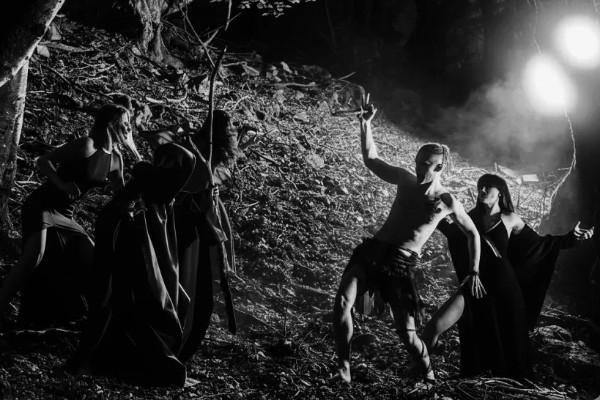
Halloween has roots that go back over 2,000 years to the Celtic people who lived in Ireland, Scotland, and other parts of Europe. They celebrated a festival called Samhain at the end of October. Samhain marked the end of the harvest and the beginning of winter. The Celts believed that on this night, the boundary between the living and the spirit world became very thin. Spirits could move freely, and people took special care to honor and protect themselves from them.
2.1 Samhain Traditions
During Samhain, people lit large bonfires to keep themselves safe from harmful spirits. They also left food outside for the spirits of the dead. Wearing costumes and masks was another way to hide from or scare away spirits. Many of these traditions, like dressing up and lighting fires, eventually became part of Halloween.
2.2 All Hallows’ Eve
When Christianity spread across Europe, the Church created a holiday called All Saints’ Day on November 1. The night before became known as All Hallows’ Eve, which later became Halloween. Many of the old Celtic traditions blended with Christian practices. This combination helped shape the Halloween we know today.
Halloween’s origins show how old beliefs about life, death, and spirits mixed with new religions to create a holiday full of stories, symbols, and rituals that have lasted for centuries.
3. Halloween Myths and Legends
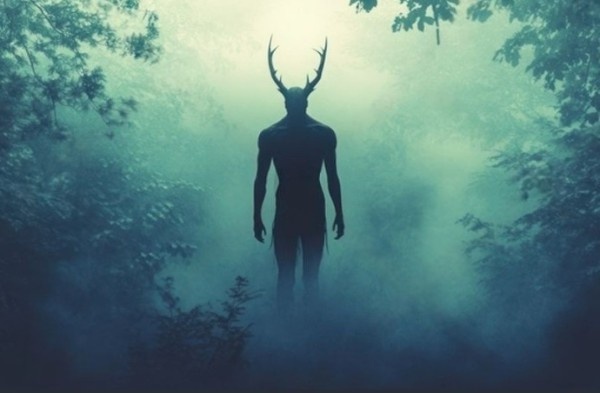
Halloween is full of stories that explain why certain symbols and traditions exist. Many of these stories come from old beliefs and folklore passed down through generations. They help make the holiday feel mysterious and exciting.
3.1 Ghosts and Spirits
One of the most common beliefs is that on Halloween, spirits of the dead return to visit the living. This is why people tell ghost stories, light candles, and leave food outside. Some legends say that spirits could bring both good luck and bad luck depending on how they were treated.
3.2 Witches and Magic
Witches have long been part of Halloween myths. People once believed that witches could cast spells and influence events in the real world. Halloween became a time to be careful, and traditions like wearing costumes may have started as a way to confuse witches or evil spirits.
3.3 Supernatural Creatures
Other creatures like vampires, werewolves, and black cats are also linked to Halloween. These stories often warned people to respect the unseen world. Over time, these creatures became part of Halloween fun and decorations, adding a scary but entertaining side to the holiday.
3.4 Stories Passed Through Generations
Many of these myths and legends come from Celtic, European, and even American stories. They mixed with local customs as people moved to new countries, which is why Halloween today has a mix of beliefs, stories, and practices from around the world.
4. Halloween Symbols and Their Meanings
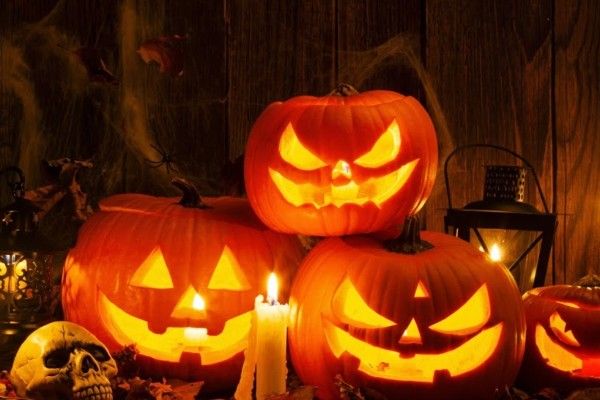
Halloween is full of symbols that have both spiritual and supernatural significance. Many of these symbols come from old beliefs and legends. Understanding them helps explain why we still use them today.
4.1 Pumpkins and Jack-o’-Lanterns
Pumpkins are one of the most famous symbols of Halloween. People carve them into jack-o’-lanterns and place candles inside. This tradition comes from an old story about a man named Stingy Jack, who tricked the devil. The pumpkin was used to guide lost spirits and protect people from evil.
4.2 Witches and Black Cats
Witches are often shown with black cats. In the past, people believed witches could cast spells and that black cats were their companions. Seeing a black cat on Halloween was once thought to bring bad luck or warn of magical activity.
4.3 Ghosts, Spirits, and Symbols
Ghosts remind people that Halloween is connected to the spirit world. Lighting candles, leaving food, and telling ghost stories were ways to honor spirits and keep them happy.
Some common symbols include:
- Bats, which were linked to the night and dark forces
- Spiders and webs, which represented hidden spirits or traps
- Owls, believed to be messengers from the spirit world
These symbols show how Halloween mixes spiritual meaning with fun and scary traditions. They give the holiday its unique and mysterious feeling.
5. Modern Halloween Practices and Their Origins
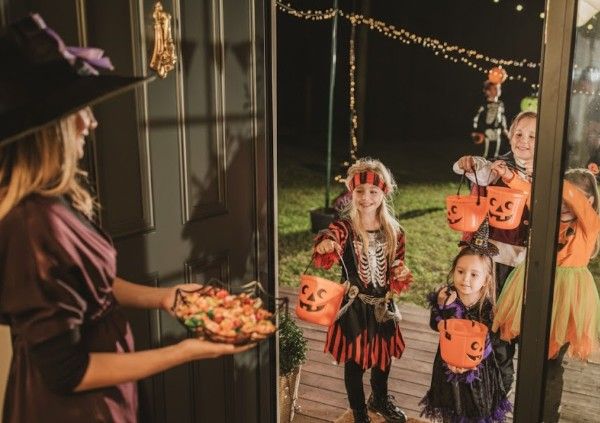
Many of the ways we celebrate Halloween today come from old beliefs and traditions. Even fun activities like trick-or-treating have roots in spiritual and supernatural ideas.
5.1 Trick-or-Treating
Children going from house to house saying “trick or treat” comes from an old practice called “souling.” In medieval Europe, poor people would go to homes on All Saints’ Day and offer prayers for the dead in exchange for food. Over time, this turned into a fun way for children to get treats while keeping the idea of honoring spirits alive.
5.2 Costumes
Wearing costumes began as a way to hide from spirits or witches. People believed disguises could protect them from harmful supernatural forces. Today, costumes are mostly for fun, but the idea of pretending to be something magical or scary comes from these old beliefs.
5.3 Decorations
Decorations like pumpkins, skeletons, and cobwebs remind us of death and the spirit world. These symbols were meant to honor or scare spirits. Lighting candles inside pumpkins, hanging fake spiders, and placing skeletons around the house are ways to connect with the past while celebrating today.
5.4 Parties and Games
Games, fortune-telling, and storytelling were all part of old Halloween celebrations. People tried to predict the future or tell ghost stories to honor spirits. Modern parties and games keep the sense of mystery and fun alive.
6. Spiritual Lessons and Supernatural Beliefs Behind Halloween
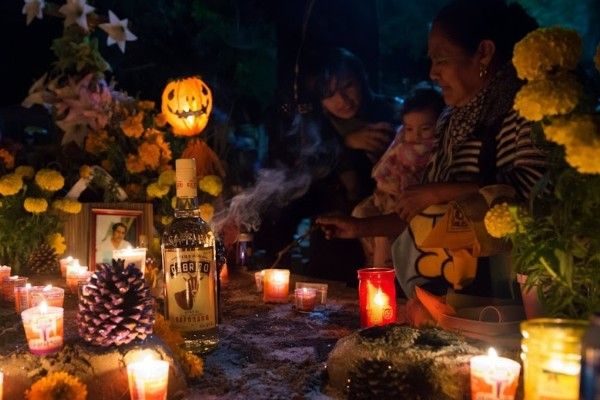
Halloween is not just about fun and scares. Many of its traditions carry deeper spiritual meanings. People long ago used Halloween to reflect on life, death, and the unseen world.
6.1 Remembering the Dead
One of the main spiritual ideas behind Halloween is honoring the dead. People believed that spirits returned to visit the living. Lighting candles, leaving food, or telling stories was a way to show respect and maintain a connection with loved ones who had passed away.
6.2 Respecting the Supernatural
Halloween also taught people to respect supernatural forces. Stories of witches, ghosts, and spirits reminded communities to be careful and follow certain rituals to stay safe. These beliefs shaped early Halloween practices like wearing costumes and lighting fires.
6.3 Lessons About Life and Change
The timing of Halloween at the end of harvest and beginning of winter symbolized change and the cycle of life. It was a time to reflect on endings and new beginnings. Many of the old rituals encouraged mindfulness about nature, life, and the world beyond what we can see.
6.4 Spiritual Meanings in Symbols
Many Halloween symbols carry deep spiritual meanings:
- Jack-o’-lanterns guided spirits or kept them away
- Ghosts reminded people of the presence of the unseen
- Witches symbolized the power and danger of magic
These spiritual lessons are hidden in Halloween’s myths and practices. Even today, Halloween connects people to ideas about life, death, and the mysteries of the world.
7. Regional Variations and Folklore Around the World
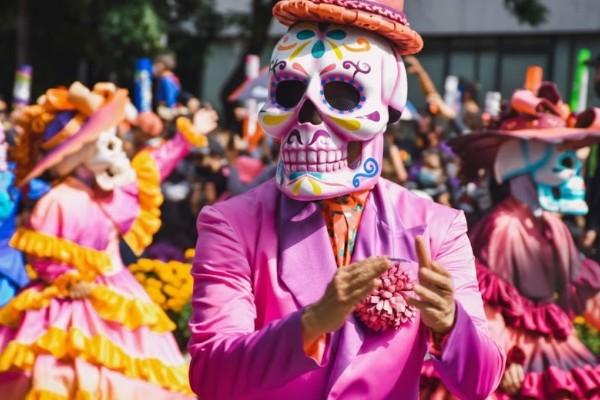
Halloween is celebrated differently around the world, and each region adds its own myths, beliefs, and supernatural stories to the holiday. These variations show how Halloween has evolved while keeping its spiritual and mysterious side alive.
7.1 United States
In the United States, Halloween is mostly about costumes, trick-or-treating, and decorations. People also tell ghost stories and enjoy haunted houses. Many symbols like pumpkins, witches, and black cats became popular here because of European immigrants bringing their traditions.
7.2 Ireland and Scotland
The Celtic roots of Halloween are strongest in Ireland and Scotland. Old traditions like bonfires, fortune-telling games, and masks are still practiced in some areas. These customs were meant to protect people from spirits and celebrate the end of the harvest season.
7.3 Mexico
In Mexico, Halloween is closely connected to Día de los Muertos, or Day of the Dead. This festival honors deceased loved ones with candles, food, and family gatherings. People believe spirits return to visit, and offerings are made to welcome them.
7.4 Other Countries
Different countries have their own unique ways of celebrating Halloween or similar festivals. Some common traditions include:
- Lighting candles or lanterns to guide spirits
- Dressing up to scare away evil forces
- Telling stories about spirits, witches, or supernatural creatures
These regional variations show that while the details may change, the spiritual and supernatural essence of Halloween remains strong across the world.
Conclusion
Halloween is more than just costumes, candy, and parties. It is a holiday filled with spiritual meanings, supernatural stories, and old traditions that have been passed down for centuries. From the Celtic festival of Samhain to modern celebrations around the world, Halloween connects us to the unseen world and teaches lessons about life, death, and change.
The myths, legends, and symbols of Halloween help us understand why people once feared and honored spirits. Even today, pumpkins, ghosts, witches, and black cats remind us of the holiday’s spiritual and supernatural roots. Celebrating Halloween is a way to keep these old stories alive while enjoying a fun and mysterious time with family and friends.
By learning about the history, beliefs, and folklore behind Halloween, we can appreciate the holiday not just for its fun but for its deep connection to human imagination and spirituality.
Frequently Asked Questions
1. Why is Halloween celebrated?
Halloween started as a Celtic festival called Samhain. People believed that on this night, the boundary between the living and the dead was thin. It was a time to honor spirits and mark the end of the harvest season.
2. What does trick-or-treating mean?
Trick-or-treating comes from an old European tradition called souling. Poor people would visit homes and offer prayers for the dead in exchange for food. Today, it is a fun way for children to get candy.
3. Why do we carve pumpkins?
Pumpkin carving comes from an old story about a man named Stingy Jack. People carved vegetables to guide spirits and keep them away. Pumpkins became popular later because they were easier to carve than turnips.
4. Why are witches and black cats associated with Halloween?
Witches were believed to have magical powers, and black cats were thought to be their companions. People associated them with magic and the supernatural, which made them part of Halloween stories and decorations.
5. What are some common Halloween symbols and their meanings?
Some common symbols include:
- Jack-o’-lanterns: to guide or protect from spirits
- Ghosts: to remind people of the spirit world
- Witches: representing magic and supernatural power
- Bats and owls: linked to night and mystery