When we think of Halloween, most of us imagine carved pumpkins, scary costumes, and children going from house to house for candy. But Halloween is more than just a night of fun and scary stories. It has a long and interesting history that started thousands of years ago.
Halloween is celebrated every year on October 31. The word Halloween comes from All Hallows’ Eve, which means the evening before All Hallows Day or All Saints’ Day. In the past, this day was used to remember the dead and thank nature for the end of the harvest season. People believed that the spirits of their loved ones returned to visit during this time.
In today’s world, Halloween is a time for joy, laughter, and creativity. Children wear costumes, families decorate their homes, and everyone enjoys candies and parties. But to understand the true meaning of Halloween and why we celebrate it, we need to travel back in time to the ancient Celtic festival called Samhain.
1. Ancient Origins of Halloween: The Celtic Festival of Samhain
1.1 The Celtic People and Their Beliefs
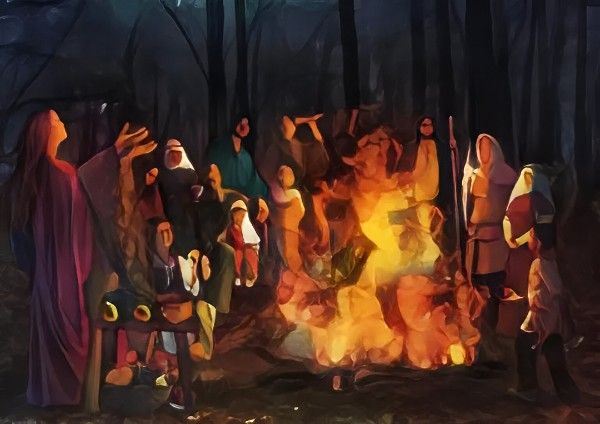
The story of Halloween begins more than 2,000 years ago with the ancient Celtic festival called Samhain. The Celts lived in areas that are now Ireland, the United Kingdom, and northern France. They celebrated Samhain at the end of October to mark the end of the harvest season and the beginning of winter.
1.2 Samhain: The End of Summer
The word Samhain means “summer’s end.” It was one of the most important festivals for the Celts because it marked the start of the dark, cold months. They believed that on the night of October 31, the line between the world of the living and the world of the dead became very thin. Spirits could return to visit their families, but not all were friendly.
1.3 Ancient Traditions of Samhain
To protect themselves and please the spirits, people followed many customs:
- They lit large bonfires to keep away evil spirits.
- Wore animal skins and masks to disguise themselves.
- Left food and fruits outside their homes for wandering souls.
These ancient Celtic traditions were the roots of many Halloween customs we still see today. Samhain was not just about fear of spirits, it was also a time to thank nature for the harvest and pray for safety in the coming winter.
2. From Samhain to All Hallows’ Eve
2.1 The Christian Influence on Celtic Traditions
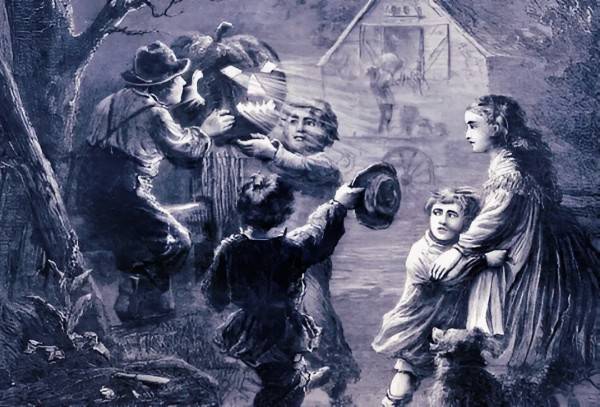
As centuries passed, the Celtic lands came under Christian rule. The church wanted to replace pagan rituals like Samhain with Christian festivals. Around the 8th century, Pope Gregory III decided to honor all saints and martyrs on November 1, calling it All Saints’ Day or All Hallows’ Day.
The evening before this holy day became known as All Hallows’ Eve, which slowly changed into the word Halloween. This was how the ancient Celtic festival and Christian traditions blended together.
2.2 New Ways of Celebration
Even though people began following Christian customs, many old Celtic beliefs stayed alive. Villagers still lit bonfires, dressed up in costumes, and believed that spirits roamed the earth on October 31. These practices were now seen as part of All Hallows’ Eve history, where both religion and folklore met.
2.3 Medieval Halloween
During the medieval period, people followed a tradition called “souling.” The poor would go from house to house, asking for food in exchange for prayers for the dead. This custom slowly inspired the modern idea of trick-or-treating.
The mix of ancient Celtic traditions and Christian beliefs gave birth to the Halloween we know today. From sacred fires to friendly costumes, it became a day that connects both the living and the dead in a single night of remembrance and celebration.
3. Halloween Comes to America
3.1 Arrival of Irish Traditions
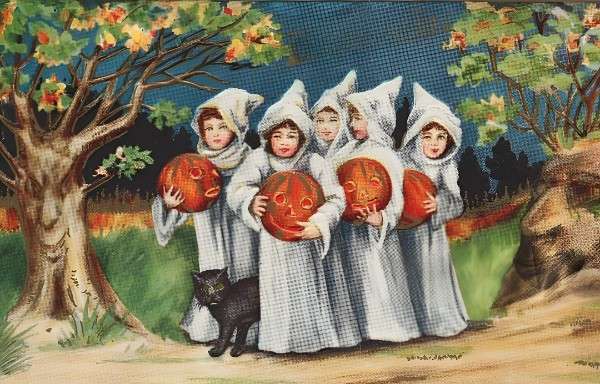
When Irish and Scottish immigrants moved to America in the 1800s, they brought their Halloween traditions with them. These included lighting lanterns, playing pranks, telling ghost stories, and celebrating All Hallows’ Eve with music and dance. Over time, these customs mixed with American culture, giving birth to what we now call modern Halloween.
3.2 The Birth of Trick-or-Treating
In the early 1900s, children in America started dressing up and going door to door asking for treats, a tradition inspired by old European customs like “souling” and “guising.” By the 1930s, this became known as trick-or-treating, one of the most popular parts of Halloween celebrations.
However, not everything was peaceful. In 1933, there was a period known as Black Halloween, when too many pranks and damage caused worry among people. Communities soon began organizing safe Halloween parties and family-friendly events, turning Halloween into a fun celebration rather than a night of mischief.
3.3 The Evolution of Halloween in America
With time, Halloween in America grew into a big national event filled with costumes, jack-o’-lanterns, parades, and decorations. It spread joy, laughter, and creativity across every home and school. From its Irish roots to its American spirit, Halloween became a symbol of community, imagination, and celebration.
4. Modern Halloween Traditions
4.1 Dressing Up for Halloween
One of the most exciting parts of Halloween is wearing costumes. Children and adults dress up as ghosts, witches, superheroes, or even movie characters. This tradition comes from old customs of disguising themselves to avoid spirits, but today it is all about fun and creativity.
4.2 Trick-or-Treating
Trick-or-treating is a favorite activity for kids. Children go from house to house asking for candies, chocolates, and small treats. This tradition started from old European practices like souling and guising, but in modern times, it is all about enjoying sweets and connecting with neighbors.
4.3 Carving Jack-o’-Lanterns
Carving pumpkins into jack-o’-lanterns is another popular Halloween activity. People place candles inside carved pumpkins to light up homes. This custom comes from the Stingy Jack legend, and it originally involved carving turnips in Ireland.
4.4 Halloween Parties and Decorations
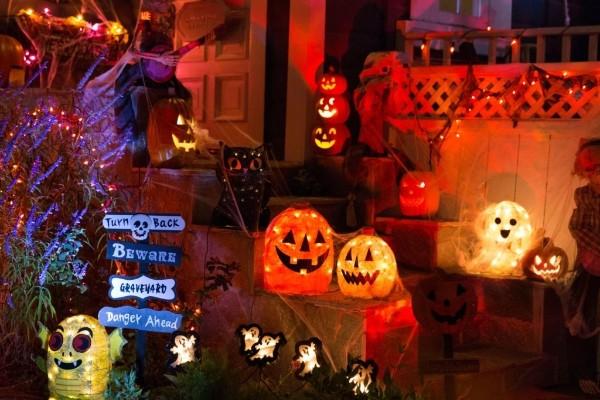
Families and communities organize Halloween parties, decorate homes with scary themes, and tell ghost stories. Halloween colors like black and orange are used in decorations, costumes, and sweets. Pumpkins, bats, and black cats are popular symbols that create a fun and eerie atmosphere.
4.5 Halloween Fun Activities
Modern Halloween is not just about scary stories or costumes. It also includes:
- Pumpkin picking and decorating
- Halloween-themed games and contests
- Watching scary movies or attending haunted houses
These activities make Halloween a joyful celebration for both children and adults, keeping the spirit of Halloween alive every year.
5. The Story of Stingy Jack and the Jack-o’-Lantern
5.1 Who Was Stingy Jack?
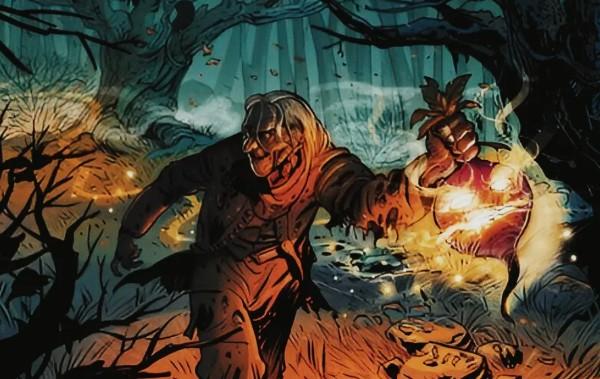
The legend of Stingy Jack comes from Ireland and is one of the most famous Halloween folklore stories. Jack was a clever but mischievous man who liked to play tricks on people. According to the story, he even tricked the devil several times. Because of his actions, when Jack died, he was not allowed into heaven or hell.
5.2 The Birth of the Jack-o’-Lantern
To light his way in the dark, Jack carved out a turnip and placed a candle inside it. This glowing turnip became known as a jack-o’-lantern. People in Ireland began carving turnips and placing candles in them during Halloween to keep away evil spirits. It was a way to protect themselves while honoring the legends and beliefs of the past.
5.3 From Turnips to Pumpkins
When Irish immigrants moved to America in the 1800s, they found that pumpkins were much easier to carve than turnips. Pumpkins were large, bright, and perfect for creating Halloween decorations. This change made jack-o’-lanterns a fun and creative activity for families.
5.4 The Meaning Behind the Jack-o’-Lantern
Today, jack-o’-lanterns are not just decorations. They remind us of old myths and connect us to the roots of Halloween. They symbolize protection from evil spirits, the creative spirit of the festival, and the connection between Halloween night and ancient beliefs. Carving pumpkins has become a popular activity that brings families and communities together during the festival.
The story of Stingy Jack shows how old myths and traditions slowly turned into the fun, creative, and scary activities we enjoy during modern Halloween celebrations.
6. Symbolism and Colors of Halloween
6.1 The Meaning of Halloween Colors
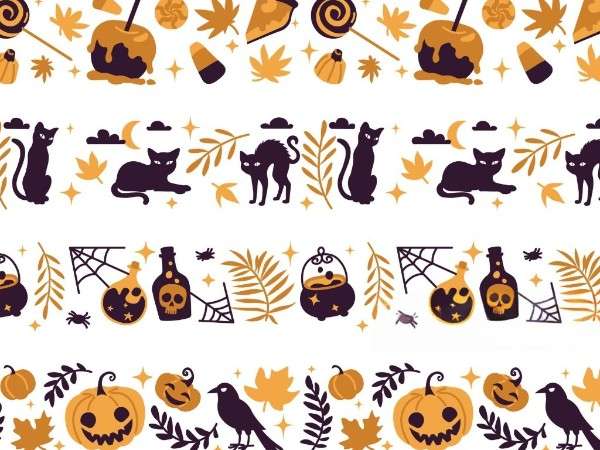
Halloween is famous for its colors, especially black and orange. Orange represents the harvest season and the warmth of autumn. Black symbolizes darkness, night, and the unknown, reflecting the scary side of Halloween when spirits were believed to roam the earth. Together, these colors create the perfect mood for Halloween celebrations.
6.2 Common Halloween Symbols
Many symbols seen during Halloween have interesting meanings:
- Pumpkins: Originally turnips, now pumpkins are carved into jack-o’-lanterns to scare away spirits.
- Black cats: In Celtic beliefs, black cats were considered magical and connected to the spirit world.
- Bats: They are creatures of the night, adding mystery to Halloween decorations.
- Ghosts and spirits: Represent the connection between the living and the dead.
6.3 Why These Symbols Matter
These symbols are more than just decorations. They remind us of the ancient Celtic beliefs and the origins of Halloween. Every pumpkin, ghost, and black cat carries a story from the past, connecting modern celebrations with traditions that are thousands of years old.
6.4 Fun Tip for Halloween
Using Halloween colors in costumes, decorations, and party themes makes the festival more lively and festive. People enjoy mixing black and orange with creative ideas for pumpkins, costumes, and home decorations.
Halloween symbols and colors keep the festival exciting and meaningful for people of all ages.
7. Why We Still Celebrate Halloween Today
7.1 A Celebration of Fun and Creativity
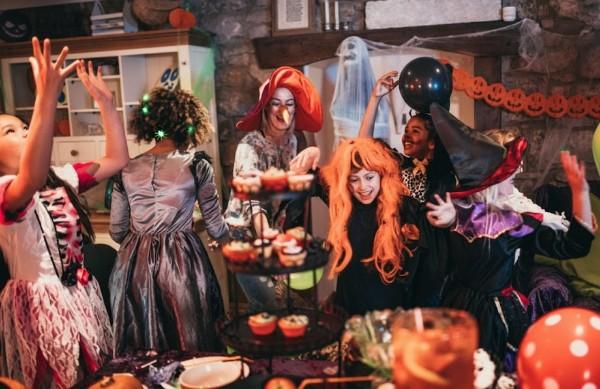
Halloween is no longer just about ancient beliefs or fears of spirits. Today, it is a festival filled with fun, creativity, and community activities. Children enjoy dressing up in costumes, going trick-or-treating, and collecting candies. Adults join in by hosting Halloween parties, decorating homes, and telling scary stories.
7.2 Honoring the Past
Even though Halloween has become a fun festival, it still carries traces of its original meaning. Many traditions, like honoring the dead, lighting jack-o’-lanterns, and celebrating All Hallows’ Eve, remind us of the connection between the living and the dead. It is a way to remember ancestors and respect old beliefs while having a joyful celebration.
7.3 A Festival for Everyone
Halloween today brings families, friends, and communities together. It allows people to express their creativity through costumes, decorations, and themed activities. Schools and neighborhoods organize events that make the festival enjoyable for children and adults alike.
7.4 Modern Meaning of Halloween
The meaning of Halloween has evolved over the centuries. From the ancient Celtic festival of Samhain to the global celebrations of today, it has grown into a festival that mixes history, myths, and modern fun. Halloween is a time to enjoy traditions, share happiness, and celebrate imagination and creativity.
Conclusion
Halloween is a festival with a long and fascinating history. From the ancient Celtic festival of Samhain to All Hallows’ Eve and the modern celebrations we enjoy today, Halloween has changed a lot over the centuries.
It is a festival that combines history, myths, and fun activities. Children and adults enjoy dressing up, carving pumpkins, and trick-or-treating, while also remembering the old traditions of honoring the dead and celebrating the harvest.
Halloween is a time for families and communities to come together, share laughter, and express creativity. Every costume, jack-o’-lantern, and decoration tells a story that connects the past with the present.
The festival shows how old customs can evolve into joyful celebrations that everyone can enjoy. Understanding the meaning of Halloween makes the festival even more special and gives us a chance to celebrate both history and fun.
FAQs about Halloween
1. What is the real meaning of Halloween?
Halloween means “All Hallows’ Eve,” the night before All Saints’ Day. It began as an ancient Celtic festival called Samhain, which marked the end of the harvest and the start of winter. People believed that on this night, spirits could visit the living. Over time, it became a celebration of both remembrance and fun.
2. Where did trick-or-treating come from?
Trick-or-treating started from old customs in Europe like souling and guising, where people went from house to house asking for food in exchange for prayers. When Irish immigrants brought these traditions to America, they turned into the fun activity children enjoy today.
3. Why do we carve pumpkins on Halloween?
Carving pumpkins comes from the Irish legend of Stingy Jack. People once carved turnips to scare away spirits, but when they moved to America, they used pumpkins instead. Pumpkins were bigger and easier to carve, leading to the famous jack-o’-lantern tradition.
4. What are the main traditions of Halloween?
The main Halloween traditions include dressing up in costumes, trick-or-treating, carving pumpkins, decorating homes, telling ghost stories, and attending Halloween parties. These activities mix ancient customs with modern fun.
5. When is Halloween celebrated?
Halloween is celebrated on Friday, October 31. Like every year, people across the world will enjoy scary decorations, costumes, and candies on this night.