Halloween 2025 is almost here, and many people are excited about costumes, candy, and scary fun. But have you ever wondered about the history of Halloween? How did a festival about ghosts and spirits become the Halloween parties and trick-or-treating we enjoy today?
Halloween has a story that goes back thousands of years. It started with the Samhain festival, celebrated by the Celts more than 2000 years ago. Later, it mixed with Christian holidays like All Hallows’ Eve and All Saints’ Day and slowly became the celebration we know now.
Even the little things we do today, like carving Jack-o’-lanterns, bobbing for apples, or eating candy apples, have a history. Halloween symbols and Halloween superstitions all come from old beliefs about spirits, harvests, and protection from bad luck.
The first Halloween in America was celebrated in the 1700s, but it became popular across the country later when Irish and Scottish people brought their customs to the United States.
Next, we will look at the ancient origins of Halloween and the Samhain festival.
1. Ancient Origins and the Samhain Festival
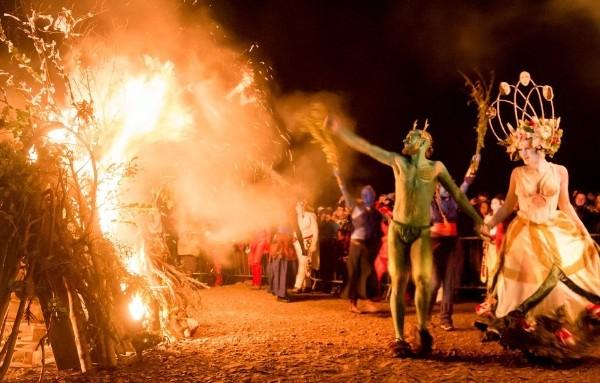
The story of Halloween starts with an ancient Celtic festival called Samhain. This festival was celebrated more than two thousand years ago in places like Ireland, Scotland, and parts of France. It marked the end of the harvest season and the beginning of winter.
1.1 The Celtic Beliefs Behind Samhain
The Celts believed that on the night of October 31, the line between the living and the dead became thin. Spirits could cross over to the human world, and some of them were thought to bring harm. To stay safe, people tried many things to protect themselves.
During the Samhain festival, people used to:
- Light big bonfires to keep away evil spirits
- Wear animal-skin costumes to hide from ghosts
- Burn crops and animals as offerings to their gods
- Celebrate the end of the harvest season
- Gather for food, music, and storytelling around the fire
1.2 The Role of Fire and Rituals
Fire was an important part of Samhain. People called these fires Halloween bonfires. They believed fire had the power to protect their homes and bring blessings. When the fire burned bright, it meant the gods were pleased.
Druids, who were Celtic priests, performed sacred rituals near these bonfires. They offered sacrifices to their gods and tried to tell the future. People believed that fortune-telling on this night could reveal secrets about marriage, health, or even death. This is how old Halloween fortune-telling traditions began.
1.3 A Festival of Life and Death
Samhain was not only about fear or ghosts. It was also a celebration of life, death, and change. It was the Celtic New Year, a time to remember ancestors and prepare for the next season.
People came together to:
- Thank their gods for the harvest
- Pray for protection through the winter
- Tell stories about spirits and heroes
- Share meals made from the last crops of the year
1.4 From Pagan Roots to New Traditions
When Christianity spread across Europe, the church tried to replace Samhain with All Saints’ Day, also called All Hallows’ Day. The night before it became known as All Hallows’ Eve, which slowly turned into Halloween.
Still, many old Samhain traditions continued. People kept lighting fires, wearing costumes, and celebrating on October 31. The mix of Christian and Celtic customs became the base for today’s Halloween.
1.5 What Samhain Left Behind
The ancient festival of Samhain gave us:
- Halloween bonfires
- Halloween costumes
- Halloween fortune-telling games
- The idea of spirits visiting the living world
These early beliefs shaped everything we now know as Halloween traditions.
2. All Hallows’ Eve and the Christian Influence
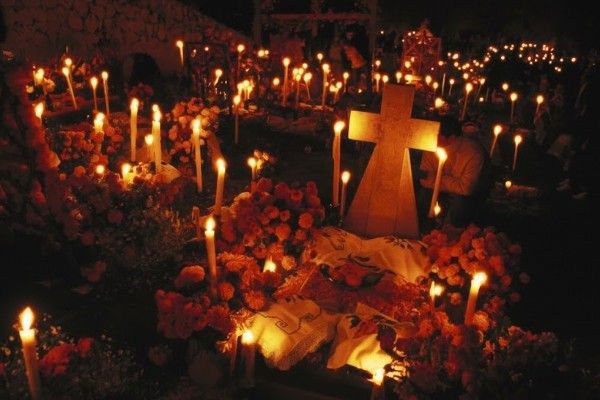
When Christianity spread across Europe, it began to change many old Celtic traditions. The Samhain festival was one of them. Instead of completely stopping the celebration, the church decided to give it a new meaning.
2.1 The Birth of All Saints’ Day
In the 8th century, Pope Gregory III made November 1 a special day called All Saints’ Day. It was a time to honor all the saints and holy people who had passed away. The night before, October 31, was called All Hallows’ Eve. Over time, this name slowly changed to Halloween.
Even after this change, many people still followed their old customs from Samhain. They continued to light bonfires, wear costumes, and remember their ancestors. These old traditions mixed with Christian beliefs and created a new kind of celebration.
2.2 The Beginning of All Souls’ Day
A few years later, the church added another holiday called All Souls’ Day, celebrated on November 2. This day was meant to remember and pray for the souls of all people who had died. It became a time for families to visit cemeteries, light candles, and offer prayers for their loved ones.
In some places, people also shared food with the poor as a way to show kindness and respect for the dead. This idea of giving food and gifts later inspired some of the early forms of trick-or-treating.
2.3 The Blending of Beliefs
During this time, many pagan customs slowly became part of Christian celebrations. The idea of honoring the dead, lighting fires, and dressing up stayed alive, but they now carried a different meaning.
The church’s goal was to make people move away from old pagan rituals, but instead, both traditions joined together. This blend created the early version of what we now call Halloween traditions.
2.4 How All Hallows’ Eve Became Halloween
As years passed, people stopped calling it All Hallows’ Eve and started saying Halloween. The meaning also changed. It became less about religion and more about fun and community.
People enjoyed telling stories about ghosts and spirits, lighting candles, and playing games. It was still a night filled with mystery, but now it was celebrated by everyone, not just for religious reasons, but also for entertainment.
3. Halloween Comes to America
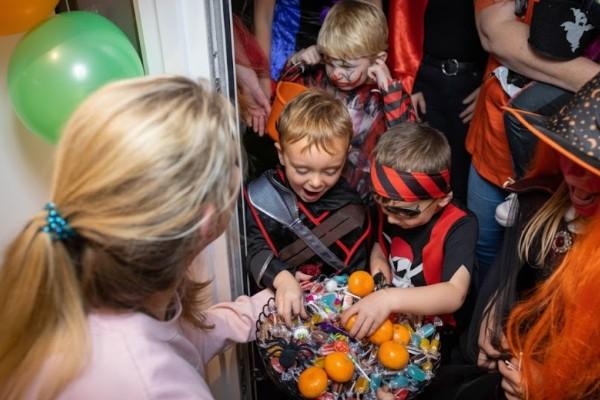
Halloween did not start in America. It traveled there from Europe, mainly through Irish and Scottish immigrants. Over time, it changed and grew into one of the biggest celebrations in the United States.
3.1 The Journey from Europe
In the 1800s, many people from Ireland and Scotland moved to America. They brought their traditions, songs, and stories with them. One of these traditions was Halloween, which included lighting bonfires, wearing costumes, and playing games about spirits and fortune-telling.
When these immigrants arrived, they started celebrating Halloween in small towns and villages. At first, only people from Celtic backgrounds joined in, but soon others became interested. Slowly, Halloween became part of American culture.
3.2 Early American Celebrations
In the early days, Halloween in America was more about community gatherings than fear or horror. People met in large groups to share food, sing songs, and tell ghost stories. They also played games like bobbing for apples, which became one of the oldest Halloween traditions still enjoyed today.
Children and young adults used to go from house to house asking for food or small treats. This early activity was similar to modern trick-or-treating, but it was more about celebrating together than collecting candy.
3.3 The Birth of Trick-or-Treating
The modern idea of trick-or-treating history began in the early 1900s. Children started dressing up in costumes and knocking on doors, saying “trick or treat.” The “treat” meant candy, and the “trick” meant a small prank if they didn’t get one.
This fun tradition quickly spread across America. By the 1950s, trick-or-treating became a normal part of every Halloween in America, and candy companies began to make special Halloween candies. This is also when candy corn history began, as it became a favorite treat during the holiday.
3.4 Halloween Becomes a National Celebration
By the mid-20th century, Halloween was no longer just for children. Adults also started joining the fun. People began hosting Halloween parties with music, decorations, and costumes.
Schools and neighborhoods started organizing safe trick-or-treating routes. Families decorated their homes with Halloween symbols like pumpkins, bats, ghosts, and black cats. The holiday became less about ghosts and more about fun, imagination, and creativity.
3.5 The Rise of Halloween Commercialization
With the growing popularity of Halloween, businesses saw an opportunity. Costume shops, candy makers, and film studios began to promote Halloween as a commercial event. Movies about ghosts, witches, and monsters became popular, creating a new kind of Halloween tradition.
People started spending money on:
- Costumes and masks
- Home decorations
- Halloween-themed foods and candies
- Party supplies and horror movies
By the 1980s, Halloween had turned into a billion-dollar industry. Yet, the heart of the celebration still carried its old spirit, remembering the dead, sharing joy, and enjoying a little scare.
4. The Evolution of Halloween Traditions and Symbols
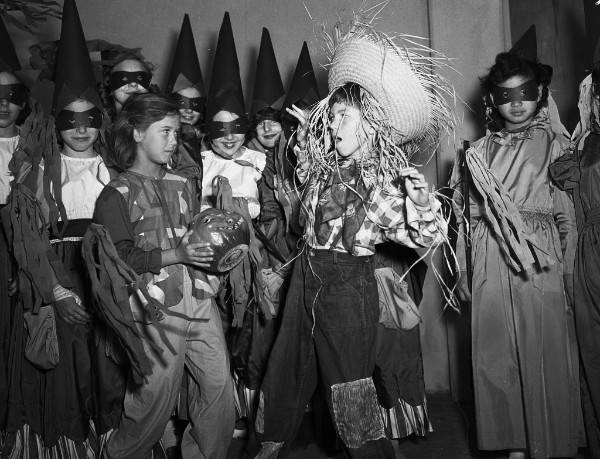
As Halloween spread and changed over time, many new customs were added while old ones stayed alive in different forms. Each Halloween tradition we know today has a story behind it. From costumes to Jack-o’-lanterns, every symbol carries a piece of history.
4.1 The Story of Halloween Costumes
The idea of wearing costumes started long ago during the Samhain festival. People believed that ghosts walked among the living on October 31. To stay safe, they dressed up as spirits or animals so that the real ghosts would not harm them.
When Halloween reached America, the costume idea continued but became more playful. Instead of wearing scary outfits, children began dressing up as fairies, clowns, and cartoon characters. By the 20th century, Halloween costumes had become a huge part of the holiday.
Today, costumes are not just about fear. They are about fun, creativity, and imagination. People of all ages wear them to parties, parades, and community events.
4.2 The Origin of the Jack-o’-Lantern
One of the most famous symbols of Halloween is the glowing pumpkin face called the Jack-o’-lantern. Its story comes from an old Irish legend known as the Stingy Jack legend.
According to the tale, Stingy Jack was a man who tricked the devil several times. Because of his tricks, he was not allowed into heaven or hell after death. So, he wandered the earth with only a burning coal inside a carved turnip to light his way.
People in Ireland and Scotland used to carve faces into turnips and place candles inside them to scare away evil spirits. When immigrants came to America, they found pumpkins easier to carve and started using them instead. This is how the Jack-o’-lantern origin began.
Now, carving pumpkins is one of the most loved Halloween traditions. Families carve funny or scary faces, light candles inside them, and place them on porches to welcome visitors.
4.3 Trick-or-Treating and Candy Traditions
The history of trick-or-treating comes from a mix of European customs. During All Souls’ Day, people gave out small cakes called “soul cakes” to children and the poor. In return, they were asked to pray for the souls of the dead. This was known as “souling.”
Later, children in Scotland and Ireland began dressing in costumes and going door to door to ask for food or coins. This was called “guising.” Both of these customs influenced the trick-or-treating history we know today.
In America, this tradition turned into a fun activity where children collect candy from neighbors. Candy corn, chocolate bars, and candy apples became popular treats. The candy corn history goes back to the 1880s when it was first made to look like real corn kernels used during the harvest season.
4.4 Halloween Symbols and Their Meanings
Every Halloween decoration we see today has a special meaning that connects to old beliefs and folklore.
Common Halloween symbols include:
- Pumpkins: Represent harvest and light during the dark season
- Black cats: Linked to witches and believed to bring both good and bad luck
- Bats: Seen near old bonfires where insects gathered, now symbols of mystery
- Spiders and webs: Represent patience and the hidden side of nature
- Ghosts: Remind people of spirits that once returned on Samhain night
Each of these symbols helps create the scary and magical feeling of Halloween.
4.5 Halloween Parties and Family Celebrations
As Halloween became more about fun, people started hosting parties with games, food, and decorations. Bobbing for apples, a game from the old harvest festival, became a popular part of these parties.
Families decorate their homes, bake Halloween-themed desserts, and watch Halloween movies together. Some even organize costume contests or pumpkin carving competitions.
These activities keep the spirit of Halloween alive while creating happy memories for everyone.
5. Halloween Superstitions, Folklore, and Fun Facts
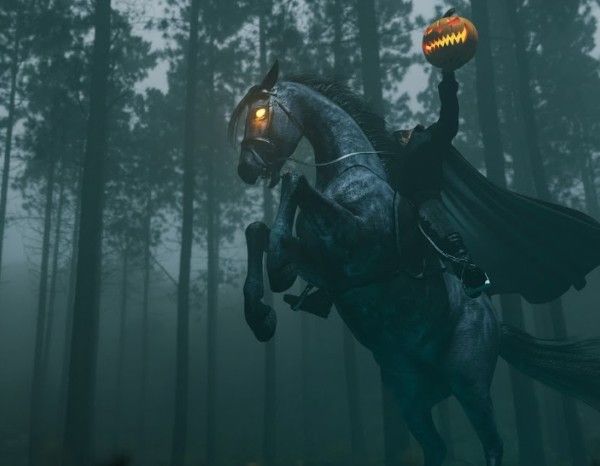
Halloween has always been surrounded by mystery and old beliefs. Many people enjoy the scary atmosphere, but behind it are ancient Halloween superstitions and Halloween folklore that have been passed down through generations.
5.1 Old Halloween Superstitions
In ancient times, people believed that Halloween night was full of magic. The boundary between the living and the dead was thin, so anything could happen. Many of these old superstitions still exist today.
Some famous Halloween superstitions include:
- Seeing a black cat on Halloween night was thought to bring bad luck.
- If a candle’s flame turned blue, it meant a spirit was nearby.
- Hearing footsteps behind you on Halloween meant a ghost was following.
- Looking into a mirror at midnight could show your future partner.
- If you saw a spider on Halloween, it was believed to be the spirit of a loved one watching over you.
Even though people today see these as fun stories, they once shaped how Halloween was celebrated.
5.2 The Legend of Stingy Jack
The story of Stingy Jack is one of the most famous Halloween legends. As the story goes, Jack was a man who tricked the devil several times. When he died, heaven and hell both refused to take him. So, the devil gave him a burning coal, which Jack placed inside a hollowed turnip. He used it as a lantern while wandering the earth forever.
People began carving faces into turnips, beets, and later pumpkins, to scare away spirits like Jack. This legend is the reason we have Jack-o’-lanterns today.
5.3 Halloween Fortune-Telling Traditions
Long ago, people believed that Halloween was the best night to learn about their future. They played special games to predict things like marriage, wealth, and health.
Some common fortune-telling games were:
- Apple peels: People would peel an apple in one strip and throw it over their shoulder. The peel’s shape was said to form the first letter of their future partner’s name.
- Bobbing for apples: The first person to bite an apple from the water bowl was believed to be the next to marry.
- Nuts in the fire: Two nuts were placed in a fire. If they burned quietly together, it meant true love. If they popped apart, it meant a breakup.
These old games show how Halloween mixed fear, fun, and hope together.
5.4 Halloween Around the World
While Halloween is most famous in America, other countries have their own versions of remembering the dead.
- In Mexico, people celebrate Día de los Muertos (Day of the Dead) from October 31 to November 2. Families build altars, decorate with flowers, and remember their loved ones with food and music.
- In Ireland and Scotland, where Halloween began, people still light bonfires and tell ghost stories.
- In Japan, there is a festival called Obon, where people honor their ancestors with lanterns and prayers.
These different celebrations show that honoring the dead is a shared tradition across cultures.
5.5 Fun Facts About Halloween
Here are some interesting Halloween fun facts that many people don’t know:
- The word “Halloween” comes from “All Hallows’ Eve.”
- The first Jack-o’-lanterns were made from turnips, not pumpkins.
- Americans spend more than 10 billion dollars on Halloween each year.
- The largest pumpkin ever recorded weighed more than 2,700 pounds.
- Candy corn history dates back to the 1880s, and it was originally called “Chicken Feed.”
Halloween has changed a lot through the years, but it still brings joy, mystery, and fun to people of all ages.
6. Modern-Day Halloween – Parties, Movies, and Family Fun
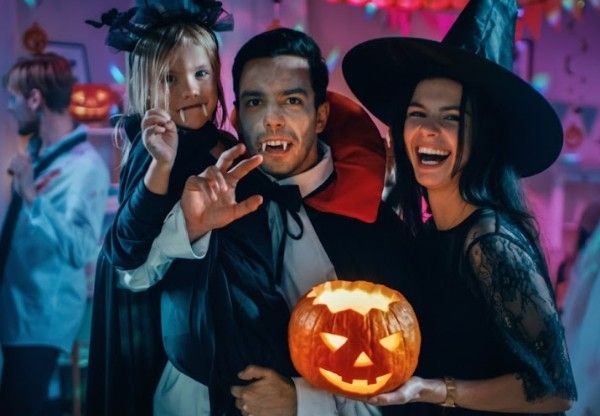
Halloween today is very different from the ancient Samhain festival. It has become a celebration full of fun, creativity, and community activities. From Halloween parties to watching Halloween movies, people enjoy the holiday in many ways.
6.1 Halloween Parties and Community Fun
Modern Halloween parties are one of the most popular ways to celebrate. People of all ages join in with games, costumes, decorations, and themed food.
Some common activities at Halloween parties include:
- Bobbing for apples and other old harvest games
- Costume contests for children and adults
- Making candy apples and baking pumpkin desserts
- Telling scary stories or performing skits
Communities also organize events like parades, haunted houses, and pumpkin carving competitions. These events bring families and neighbors together and keep the spirit of Halloween alive.
6.2 Halloween Movies and Entertainment
Watching Halloween movies has become a tradition for many families. There are movies for all ages: from fun and funny animations for kids to scary thrillers for adults. Some popular themes include witches, ghosts, vampires, and haunted houses.
Halloween movies help set the mood for the season and inspire costume ideas and decorations. They also allow families to enjoy the scary side of Halloween safely at home.
6.3 Halloween Food Traditions
Food is an important part of Halloween celebrations. Some of the most popular treats include:
- Candy corn, a colorful treat with a long history from the 1880s
- Candy apples, a fun harvest-time snack
- Chocolates, lollipops, and other small candies for trick-or-treating
- Pumpkin pies, roasted seeds, and themed desserts for parties
These foods connect modern celebrations to the old harvest festivals while adding a fun twist for children and adults alike.
6.4 Halloween Decorations and Symbols
Decorating homes has become a major part of Halloween. People use Halloween symbols like:
- Pumpkins and Jack-o’-lanterns
- Black cats and bats
- Spiders and cobwebs
- Ghost figures and skeletons
Decorations not only make Halloween visually exciting but also remind people of its ancient roots and folklore.
6.5 Family Activities and Global Influence
Halloween is now a holiday for the whole family. Parents and children go trick-or-treating, carve pumpkins, play games, and watch movies together. Schools and community centers also organize safe Halloween events for children.
Even though Halloween is most famous in America, its influence has spread worldwide. Many countries now celebrate Halloween with costumes, decorations, and parties, while some combine it with their own traditions like Día de los Muertos in Mexico or autumn festivals in Europe and Asia.
Halloween 2025 will continue this mix of old customs and modern fun, making it a holiday that honors the past while creating new memories for the future.
7. Interesting Halloween Activities and Games
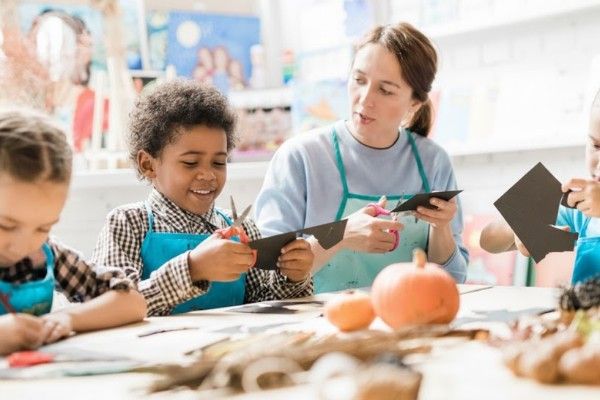
Halloween is not just about costumes and candy. It is also a time for fun activities, games, and playful mischief. Many of these activities have roots in old Samhain festival traditions or harvest celebrations.
7.1 Bobbing for Apples
One of the oldest Halloween games is bobbing for apples. This game came from harvest festivals and fortune-telling traditions. Apples were used to predict the future, especially in matters of love and marriage.
How it is played:
- Fill a large bowl with water and put apples in it.
- Players try to bite an apple without using their hands.
- The first person to bite an apple is believed to have good luck or find love soon.
Bobbing for apples is still a favorite game at Halloween parties and family gatherings.
7.2 Halloween Pranks and Mischief
Halloween was once a night when children and young adults played harmless pranks. This idea of Halloween mischief comes from the old “trick” part of trick-or-treating.
Some common pranks include:
- Ringing doorbells and running away
- Hiding small objects or decorations as surprises
- Playing playful jokes on friends and family
These pranks are meant to be fun and playful, keeping the mischievous spirit of Halloween alive.
7.3 Fortune-Telling and Prediction Games
Old Halloween traditions included predicting the future. Today, some families keep this fun alive through simple games:
- Using apples, nuts, or candles to guess future events
- Reading shadows or shapes in pumpkin carvings
- Making Halloween-themed paper fortune games for children
These activities connect modern Halloween to its ancient roots of fortune-telling and spiritual beliefs.
7.4 Halloween Crafts and Decorations
Making decorations is another popular activity. Children and adults enjoy:
- Carving pumpkins into Jack-o’-lanterns
- Making paper bats, ghosts, and spider webs
- Creating masks and simple Halloween costumes at home
Crafts allow families to celebrate creatively and make their homes festive for Halloween 2025.
7.5 Candy and Treat Activities
Candy is a central part of modern Halloween fun. Families can:
- Make candy apples or chocolate treats at home
- Prepare treat bags for trick-or-treaters
- Play games like candy scavenger hunts
These activities combine old harvest traditions with the modern focus on sweets and enjoyment.
7.6 Community and Family Engagement
Halloween games and activities also bring communities together. Schools, neighborhoods, and local groups organize events like:
- Costume contests
- Pumpkin carving competitions
- Small festivals or fairs
- scary storytelling sessions
These events make Halloween a time for socializing, family bonding, and community celebration, while keeping the old spirit of the festival alive.
8. Halloween Food and Candy History
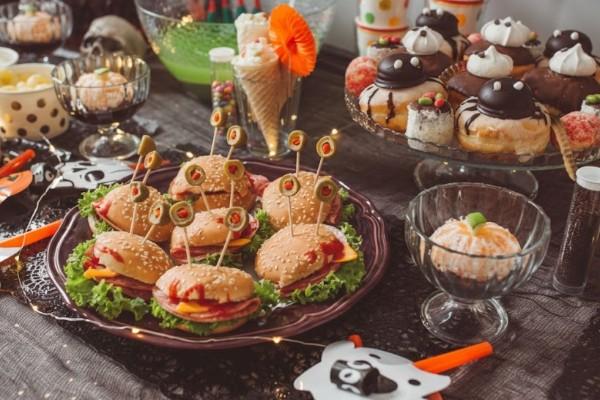
Food and candy have always been a big part of Halloween celebrations. Many modern treats come from old harvest festivals, Celtic traditions, and traditional European customs. Over time, these treats became an essential part of Halloween parties and trick-or-treating, making the holiday even more exciting for children and adults.
8.1 Candy Corn History
Candy corn is one of the most famous Halloween treats. It was first made in the 1880s by the Goelitz Candy Company in America. Originally, it was called “Chicken Feed” because it looked like small kernels of corn. At that time, candy corn was mainly enjoyed during harvest festivals and fall celebrations.
The candy has three layers: white, orange, and yellow. Some people say each color represents a part of a kernel of corn. Over time, candy corn became closely associated with Halloween traditions because of its harvest colors and sweet flavor. Today, it is a classic treat during Halloween 2025, often used for parties, decorations, and candy bags for trick-or-treaters.
8.2 Candy Apples and Harvest Sweets
Candy apples have a long history in autumn and Halloween celebrations. They are made by dipping fresh apples in caramel or sugar syrup and letting them harden. Candy apples became popular in the United States in the early 1900s, especially at fairs, harvest festivals, and Halloween parties.
Other traditional Halloween foods include:
- Pumpkin pie, made from the autumn harvest
- Roasted pumpkin seeds, often salted or spiced
- Nuts and fruits collected during the harvest season
- Soul cakes, small spiced cakes given to children in Europe to honor the dead
These treats show how Halloween is deeply connected to the harvest season and the ancient Samhain festival. Sharing food was a way to celebrate abundance and ensure good luck for the coming year.
8.3 Trick-or-Treat Candy
The modern tradition of giving candy to children during trick-or-treating began in the early 20th century in America. Children dressed in Halloween costumes would go door to door asking for candy or small treats. The practice became popular because it was a safe, fun way for children to celebrate the holiday.
Some of the most popular Halloween candies include:
- Chocolate bars, which became widely available in the 1920s
- Lollipops and hard candies, which were easy to hand out
- Candy corn and caramel apples, connecting back to harvest traditions
- Small baked treats made at home, such as cookies and cupcakes
Giving candy is more than just fun, it continues the old tradition of sharing and community celebration that goes back to the early harvest festivals and All Souls’ Day.
8.4 Halloween Food at Parties
At Halloween parties, food plays a central role in adding fun and excitement. Families and friends prepare themed snacks and treats to match the scary mood. Popular party foods include:
- Spider cupcakes with chocolate legs
- Ghost-shaped cookies or marshmallow treats
- Pumpkin muffins, pies, or roasted pumpkin seeds
- Themed drinks or punch served in Halloween cups or cauldrons
Food at parties allows everyone to participate in Halloween celebrations, combining creativity with taste. Even adults enjoy making elaborate desserts, sometimes inspired by horror movies or classic Halloween symbols like ghosts, witches, and bats.
8.5 Linking Food to Folklore and Traditions
Many Halloween foods are connected to old folklore and superstitions. For example:
- Candy corn was linked to harvest and abundance
- Apples were used in fortune-telling games during the Samhain festival
- Nuts and baked treats were thought to bring good luck for the coming year
Eating these foods during Halloween is more than just fun, is a way of remembering the old traditions and keeping the spirit of the holiday alive. Every bite connects us to centuries of history, from ancient Celtic rituals to modern American celebrations.
Halloween food traditions show how a holiday can evolve over thousands of years while still keeping its original meaning. Today, Halloween 2025 will see children enjoying candy corn, families making caramel apples, and communities hosting parties filled with themed treats and fun foods.
9. Halloween Movies and Pop Culture
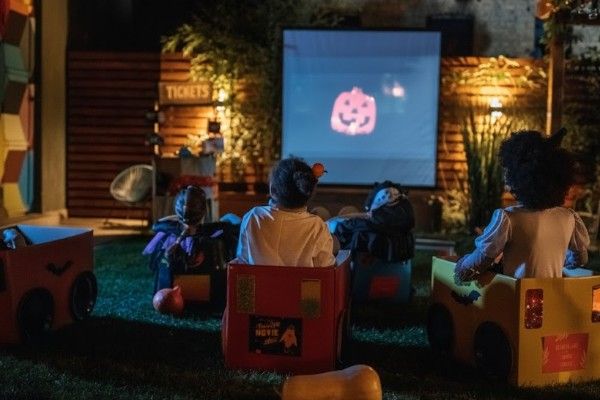
Halloween is not only about costumes and candy. Movies, television, and other forms of entertainment have played a big role in shaping how people celebrate the holiday today. Halloween movies and pop culture have made the holiday more exciting and helped spread its traditions around the world.
9.1 Family-Friendly Halloween Movies
For many families, watching Halloween movies is an important part of the celebration. These movies are usually fun, slightly scary, and suitable for children. Some common themes include:
- Ghosts and friendly spirits
- Witches and magical creatures
- Talking animals or Halloween adventures
- Animated stories about pumpkins, monsters, or Halloween parties
These movies help children get excited about Halloween 2025 and inspire ideas for Halloween costumes, decorations, and games. Watching a Halloween-themed film can also be a way for families to spend time together in a safe, fun environment.
9.2 Horror and Adult Halloween Movies
Adults often enjoy Halloween as a time for scary entertainment. Horror films have become a huge part of Halloween pop culture. Classic themes include:
- Haunted houses and ghosts
- Vampires, werewolves, and witches
- Slasher movies or suspenseful thrillers
- Supernatural creatures and urban legends
Horror films help adults experience the thrill and mystery that has been part of Halloween since the Samhain festival. Over the decades, these movies have contributed to the commercialization of Halloween, creating new traditions like watching scary films at parties or hosting themed movie nights.
9.3 Halloween in American Pop Culture
Halloween has grown into one of the biggest holidays in America. Pop culture plays a major role in this growth. Television shows, commercials, books, and social media all highlight the fun and scary elements of the holiday.
Examples include:
- Special Halloween episodes in family TV shows
- Halloween-themed advertisements by candy and costume companies
- Popular YouTube videos about DIY Halloween decorations, pranks, and costume ideas
- Viral challenges and online contests for the best Halloween costumes
Pop culture has helped spread Halloween beyond the United States, inspiring celebrations in other countries while keeping Halloween traditions alive.
9.4 The Influence of Movies on Halloween Traditions
Movies have influenced many Halloween customs we enjoy today:
- Costume ideas for children and adults
- Home decorations inspired by haunted houses or popular characters
- Party themes based on classic Halloween symbols like witches, bats, and pumpkins
- Creating fun experiences for communities, schools, and families
Because of movies and media, Halloween has become a holiday where imagination, creativity, and storytelling play a central role.
9.5 Fun Halloween Facts from Pop Culture
- The first Halloween movie was produced in the early 1900s as a silent short film about a haunted house.
- Many candy companies advertise Halloween products in movies and TV shows, boosting Halloween commercialization.
- Halloween-themed episodes of popular shows have made traditions like bobbing for apples, Jack-o’-lanterns, and Halloween pranks more widely known.
- Some movies have inspired entire generations of costume trends, from classic witches to modern superheroes.
Halloween movies and pop culture continue to connect the old legends, like the Stingy Jack legend, with modern celebrations, making Halloween a fun and memorable experience for everyone.
10. Halloween Around the World
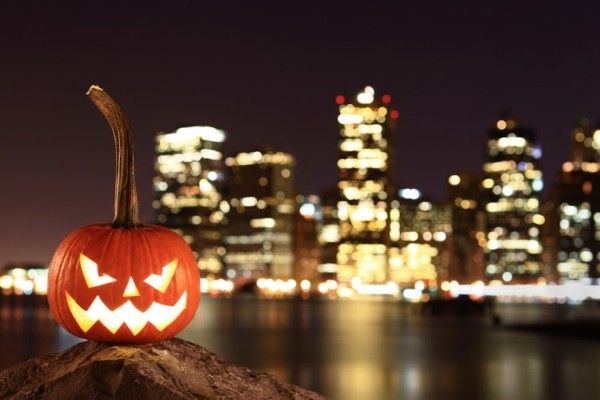
Halloween may be most famous in America, but it is celebrated in different ways all over the world. Many countries have added their own customs while keeping some of the original Halloween traditions alive.
10.1 Halloween in Europe
Europe is the birthplace of Halloween, so it still has strong ties to old Celtic traditions.
- In Ireland and Scotland, people light bonfires, tell ghost stories, and carve Jack-o’-lanterns.
- In parts of England, children participate in games and go door-to-door for small treats, similar to early trick-or-treating.
- In Germany, some towns hold harvest festivals with pumpkins, costumes, and storytelling about spirits.
European celebrations often keep the old links to the Samhain festival, the harvest season, and honoring the dead.
10.2 Halloween in North America
In the United States and Canada, Halloween is a major celebration. Communities organize:
- Trick-or-treating routes for children
- Halloween parties for all ages
- Haunted houses and scary attractions
- Family activities like pumpkin carving and Halloween crafts
Halloween has also become a commercial holiday in North America. Candy, costumes, decorations, and themed foods make it a billion-dollar industry each year.
10.3 Latin America – Día de los Muertos
In Mexico and parts of Central and South America, Halloween is connected to Día de los Muertos (Day of the Dead), celebrated from October 31 to November 2.
Families:
- Build altars with photos, flowers, and candles
- Share food and sweets in honor of ancestors
- Create colorful decorations with skulls and skeletons
While Halloween in the United States focuses on costumes and candy, Día de los Muertos emphasizes remembering loved ones and celebrating life and death together.
10.4 Asia and Other Regions
Even in countries where Halloween is not traditional, the holiday has grown in popularity.
- In Japan, people enjoy costume parties, decorations, and themed cafes.
- In South Korea, Halloween is celebrated with parades, street parties, and cosplay events.
- In Australia, Halloween has gained popularity among children with trick-or-treating and school parties, though some older customs are less common.
This shows how Halloween 2025 is a global celebration, blending old European traditions with new local customs.
10.5 The Global Impact of Halloween
Halloween has become a holiday that:
- Combines ancient beliefs, folklore, and harvest celebrations
- Inspires creativity in costumes, decorations, and themed foods
- Brings families and communities together
- Connects cultures worldwide through fun, mystery, and storytelling
From the Samhain festival in ancient Europe to the global celebrations of today, Halloween continues to evolve while keeping its history alive.
11. Halloween Superstitions and Fun Facts
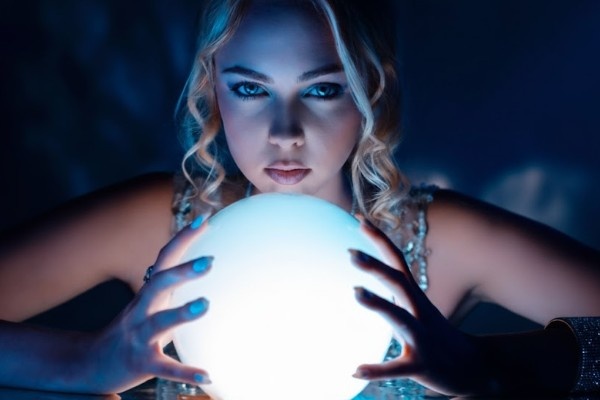
Halloween is a holiday full of mystery, stories, and playful traditions. Many Halloween superstitions come from ancient beliefs, while others developed over centuries of celebration. These stories make Halloween exciting and fun for people of all ages.
11.1 Scary Halloween Superstitions
Long ago, people believed that during Halloween night the boundary between the living and the dead became very thin. Many superstitions arose from this belief. Today, they are mostly playful, but they were once serious warnings.
Some popular Halloween superstitions include:
- Black cats: Seeing a black cat on Halloween could bring bad luck or sometimes good luck, depending on the region. In some cultures, black cats were believed to be witches’ companions.
- Footsteps behind you: Hearing footsteps behind you on Halloween night meant a spirit was following.
- Mirrors at midnight: Looking into a mirror could show your future spouse or predict your fortune.
- Candles and flames: A candle burning blue meant a ghost was nearby.
- Walking under ladders: This old superstition suggested misfortune would follow, especially on Halloween night.
Even today, these beliefs add a mysterious thrill to the celebrations, especially for children enjoying scary games.
11.2 The Stingy Jack Legend
The story of Stingy Jack is one of the most famous tales behind Halloween. Jack was a clever man who tricked the devil multiple times. When he died, neither heaven nor hell would accept him. The devil gave him a burning coal, which Jack placed inside a carved turnip to light his way.
This legend inspired the tradition of Jack-o’-lanterns, which people originally made from turnips in Ireland and Scotland. When immigrants came to America, they switched to pumpkins because they were easier to carve.
11.3 Halloween Fortune-Telling Games
Fortune-telling was a big part of old Halloween celebrations. People tried to predict the future, especially about love, marriage, or wealth.
Popular fortune-telling games included:
- Apple peels: Throwing a long apple peel over the shoulder to see the first letter of a future spouse’s name.
- Bobbing for apples: The first person to bite an apple in a water bowl was believed to marry next.
- Nuts in the fire: Placing two nuts in a fire; if they burned quietly together, it meant love, while popping apart meant separation.
These games connected fun, food, and old beliefs, making Halloween interactive and exciting.
11.4 Halloween Fun Facts
Halloween is filled with fascinating facts that many people do not know:
- The word “Halloween” comes from “All Hallows’ Eve.”
- Jack-o’-lanterns were first carved from turnips, not pumpkins.
- Americans spend more than 10 billion dollars each year on Halloween candy, costumes, and decorations.
- The largest pumpkin ever recorded weighed over 2,700 pounds.
- Candy corn history goes back to the 1880s, when it was called “Chicken Feed.”
- Halloween is celebrated in more than 30 countries worldwide.
- Bobbing for apples and other games were linked to fortune-telling traditions.
- Some believe that seeing a spider on Halloween means a loved one is watching over you.
These fun facts add a playful and educational touch to Halloween celebrations.
11.5 Halloween Mischief and Pranks
Halloween has always been a time for harmless mischief. This stems from the old “trick” part of trick-or-treating history, where children played pranks if they didn’t receive treats.
Some playful pranks include:
- Ringing doorbells and running away
- Hiding small objects or decorations as surprises
- Light jokes on friends or family
- Playing themed party games that include pranks
These pranks create laughter and excitement, keeping the mischievous spirit of Halloween alive.
11.6 Why Halloween is Fun for Everyone
The mix of Halloween folklore, superstitions, games, food, movies, and parties makes Halloween a holiday for all ages.
- Children enjoy costumes, candy, and games.
- Adults enjoy themed parties, Halloween movies, and scary decorations.
- Families enjoy crafts, fortune-telling games, and shared meals.
Halloween continues to combine history, mystery, and creativity. Halloween 2025 will be celebrated with costumes, candy, decorations, games, and movies, keeping the fun and magical spirit alive while connecting everyone to centuries of traditions.
12. Preparing for Halloween 2025 – Tips and Ideas
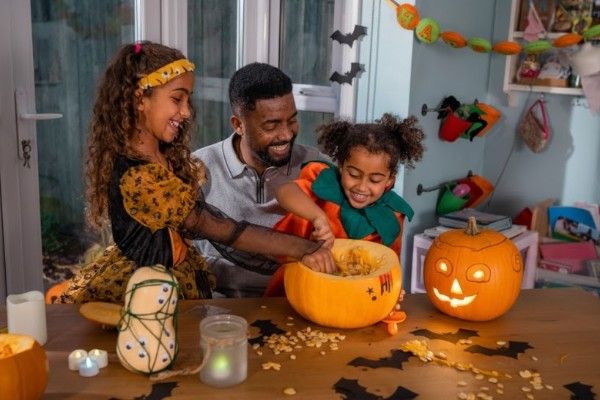
Halloween is not just about traditions; it is also about fun, creativity, and spending time with family and friends. Halloween 2025 is the perfect opportunity to enjoy costumes, decorations, food, and activities while creating lasting memories.
12.1 Decorating Your Home
Decorations are one of the easiest ways to get into the Halloween spirit. You can make your home look scary, fun, or both. Some ideas include:
- Carving Jack-o’-lanterns with funny or scary faces
- Hanging paper bats, ghosts, and spider webs
- Using LED lights or candles to create a magical glow
- Decorating porches with pumpkins, haystacks, or autumn leaves
- Adding Halloween-themed banners or signs
Decorations make your home welcoming for trick-or-treaters and set the mood for Halloween parties.
12.2 Choosing the Perfect Costume
Costumes are a big part of Halloween. Whether you want something scary, funny, or creative, there are endless possibilities:
- Classic costumes like witches, vampires, ghosts, and zombies
- Popular characters from movies, cartoons, or TV shows
- DIY costumes made at home using simple materials
- Group costumes for families or friends
Don’t forget accessories like masks, hats, or makeup to complete the look. Wearing a costume is also a way to connect with the old tradition of disguising oneself from spirits during the Samhain festival.
12.3 Planning Food and Treats
Food is central to any Halloween celebration. You can prepare treats for trick-or-treaters, parties, or family gatherings:
- Candy apples and chocolate treats for children
- Baking pumpkin pies, muffins, or cookies
- Preparing themed snacks like “scary popcorn” or ghost-shaped sandwiches
- Including classic candy corn and small candies for trick-or-treating
Having a mix of store-bought and homemade treats makes celebrations more exciting and festive.
12.4 Organizing Games and Activities
Games and activities make Halloween interactive and fun. You can include both old traditions and modern twists:
- Bobbing for apples and other harvest-themed games
- Halloween scavenger hunts or treasure hunts
- Storytelling sessions with ghost stories or folklore
- Costume contests and prize giveaways
- Small fortune-telling games using apples, nuts, or candles
These activities keep children and adults entertained while preserving traditional customs.
12.5 Hosting a Safe and Fun Halloween
Safety is important during Halloween. Here are some tips to ensure everyone enjoys the holiday:
- Make sure costumes are safe and visible at night
- Use LED candles instead of real flames for decorations
- Supervise children during trick-or-treating or parties
- Plan safe routes for neighborhood activities
- Keep candy sorted for allergies and dietary restrictions
Following these tips ensures a fun, worry-free celebration for everyone.
12.6 Combining Old Traditions with Modern Fun
Halloween 2025 is a great time to enjoy both old and new traditions:
- Honor the history by sharing stories of the Samhain festival or Stingy Jack legend
- Enjoy modern treats, Halloween movies, and costume parties
- Participate in community events or school celebrations
- Blend creativity, food, games, and decorations to make the holiday memorable
By combining the old and the new, Halloween continues to be a holiday that excites people of all ages while keeping centuries of history alive.
Conclusion
Halloween is a holiday that has grown and evolved over thousands of years. From the ancient Samhain festival in Celtic lands to All Hallows’ Eve in Europe, and finally to the modern Halloween 2025 celebrations in America and around the world, the holiday has always been about mystery, fun, and community.
Today, Halloween combines history, folklore, and modern entertainment. People enjoy:
- Halloween costumes that spark creativity and imagination
- Carving Jack-o’-lanterns inspired by the Stingy Jack legend
- Trick-or-treating, sharing candy, and enjoying candy corn history
- Halloween parties with themed games, food, and decorations
- Watching Halloween movies and sharing stories of ghosts and folklore
- Playing traditional games like bobbing for apples or fortune-telling activities
Halloween is also full of symbols, superstitions, and fun facts, from black cats and Halloween pranks to Halloween family activities that bring everyone together. Even as it has spread globally, Halloween keeps its roots alive, blending old Celtic traditions, harvest celebrations, and modern fun.
Whether you celebrate by dressing up, decorating your home, sharing candy, or watching scary movies, Halloween is a holiday that encourages creativity, togetherness, and a sense of wonder. Halloween 2025 will continue to honor these traditions while giving families, friends, and communities a chance to celebrate in their own unique ways.
No matter where you are in the world, Halloween is more than just a holiday. It is a celebration of history, folklore, and the joy of coming together to enjoy a magical, scary, and fun-filled night.
FAQs About Halloween
1. When is Halloween 2025?
Halloween 2025 will be celebrated on Friday, October 31. It is the same date every year, marking All Hallows’ Eve before All Saints’ Day on November 1.
2. What is the history of Halloween?
Halloween originated from the ancient Celtic festival Samhain, which marked the end of the harvest season. Over time, it blended with Christian traditions like All Hallows’ Eve and All Saints’ Day, eventually evolving into the modern celebration with costumes, candy, and decorations.
3. What is the origin of Jack-o’-lanterns?
The Jack-o’-lantern origin comes from the legend of Stingy Jack. People originally carved turnips in Ireland and Scotland to scare away evil spirits. When the tradition came to America, pumpkins became the preferred choice.
4. Why do we go trick-or-treating?
Trick-or-treating history began as a way for children to receive food or small treats during Halloween. It evolved from older customs like sharing baked goods during All Souls’ Day and harvest festivals, combined with playful tricks on neighbors if no treats were given.
5. What are some popular Halloween symbols?
Halloween symbols include pumpkins, Jack-o’-lanterns, black cats, bats, ghosts, witches, and skeletons. These symbols come from ancient beliefs, Celtic traditions, and folklore, and they are widely used in decorations, costumes, and Halloween parties.